

When you are looking at houses, it is easy to get distracted by a bright living room, a polished kitchen, or a balcony view. But the details that decide whether a home is a smart move are often less obvious: recurring costs, cooling systems, maintenance history, documents, traffic patterns, and resale potential.
This is especially true in Dubai and the wider UAE, where the same budget can buy very different lifestyles depending on the community, building quality, service charges, and ownership status. Whether you are viewing a villa, townhouse, or apartment, use this checklist before you make an offer, pay a deposit, or emotionally commit to a home.
Quick house-viewing checklist
| What to check | What to look for | Why it matters |
|---|---|---|
| True budget | Purchase price, fees, service charges, moving costs | Prevents affordability surprises |
| Location | Commute, traffic, schools, shops, noise | Protects daily quality of life |
| Listing accuracy | Size, layout, photos, view, furnishing, availability | Helps you avoid misleading expectations |
| Condition | Cracks, leaks, AC, plumbing, windows, doors | Reveals repair costs before you negotiate |
| Light and ventilation | Sun exposure, airflow, privacy, heat gain | Affects comfort and cooling bills |
| Service charges | Community fees, chiller, maintenance, shared facilities | Impacts long-term ownership costs |
| Utilities | DEWA, gas, internet, cooling, pool or garden upkeep | Shows realistic monthly expenses |
| Documents | Title deed, NOC, Oqood, landlord or seller authority | Reduces legal and transaction risk |
| Community quality | Lifts, parking, security, landscaping, amenities | Indicates management standards |
| Exit strategy | Resale demand, rental yield, future supply | Keeps the property investment-ready |
1. Confirm the real budget before you view
The advertised price is only the starting point. Before looking at houses seriously, calculate the total amount you need to buy, move in, and maintain the property comfortably.
In Dubai, buyers should usually account for the Dubai Land Department transfer fee, agency commission where applicable, trustee or administrative costs, mortgage registration fees if using finance, valuation charges, moving expenses, and ongoing service charges. Costs can vary depending on the property type, emirate, developer, financing structure, and deal terms, so confirm the exact numbers before signing anything.
If you are renting rather than buying, look beyond the annual rent. Security deposit, agency fee, Ejari registration, DEWA connection, cooling deposits, moving costs, and furnishing can all affect your first-month cash requirement.
A home that looks affordable on the listing page can feel very different once all upfront and monthly costs are included.
2. Test the location at the times you will actually live there
A neighborhood can feel calm at 11 a.m. and completely different at 6 p.m. Visit the area during your normal commute window, in the evening, and on the weekend if possible. In Dubai, traffic patterns around bridges, business districts, schools, beaches, malls, and major highways can change the daily experience of living in a community.
Check the distance to supermarkets, clinics, schools, nurseries, metro stations, bus stops, gyms, parks, places of worship, and restaurants. Also listen for road noise, construction, nearby nightlife, aircraft routes, or mosque speakers depending on your preferences.
For investors, location should be judged by demand as well as lifestyle. A beautiful home in a weak rental area may not perform as well as a simpler unit in a community with strong tenant demand.
3. Compare the listing details with what you see in person
Real estate photos can make rooms look brighter, wider, and more open than they are. Wide-angle lenses, staged furniture, edited lighting, and selective angles are common in property marketing. That does not mean the listing is dishonest, but it does mean you should verify every major claim during the viewing.
Check the actual layout, built-up area, plot size, number of bathrooms, parking spaces, balcony size, maids room, storage, view, furnishing status, floor level, and availability date. If the listing says “vacant on transfer,” “upgraded,” “fully furnished,” or “motivated seller,” ask what that means in practical terms.
If you want to sharpen this skill before shortlisting homes, Best Property has a helpful guide on how to read real estate listings like a smart buyer that explains how to interpret prices, photos, layouts, and key listing language.
4. Inspect the structure and visible condition
A viewing is not a full technical inspection, but it can reveal warning signs. Look closely at ceilings, corners, window frames, bathrooms, kitchens, balconies, external walls, and storage areas. Water stains, peeling paint, mold smell, warped doors, cracked tiles, weak water pressure, uneven flooring, and noisy AC units can point to hidden problems.
In villas and townhouses, inspect the roof access area if available, boundary walls, garden drainage, pool equipment, outdoor tiles, garage doors, and signs of settlement cracks. In apartments, check common walls, balcony drainage, bathroom ventilation, kitchen exhaust, lift noise, and proximity to garbage rooms or service areas.
For serious buyers, a professional property inspection is often worth considering before final commitment, especially for older homes, renovated villas, or properties with visible defects. A small inspection cost can save you from large repair bills later.
5. Check natural light, airflow, and heat exposure
Light is not just about aesthetics. In the UAE, orientation can affect indoor temperature, AC usage, comfort, furniture fading, and how enjoyable the property feels during summer.
West-facing rooms may get strong afternoon sun. A unit with large windows and poor shading may look impressive but become harder to cool. On the other hand, a dark home may require artificial lighting throughout the day. Check whether windows open properly, whether rooms have cross-ventilation, and whether neighboring buildings block privacy or natural light.
Also stand in each main room quietly for a moment. Does the space feel comfortable, or does it feel boxed in? Can you imagine your daily routine there, not just a perfect weekend visit?
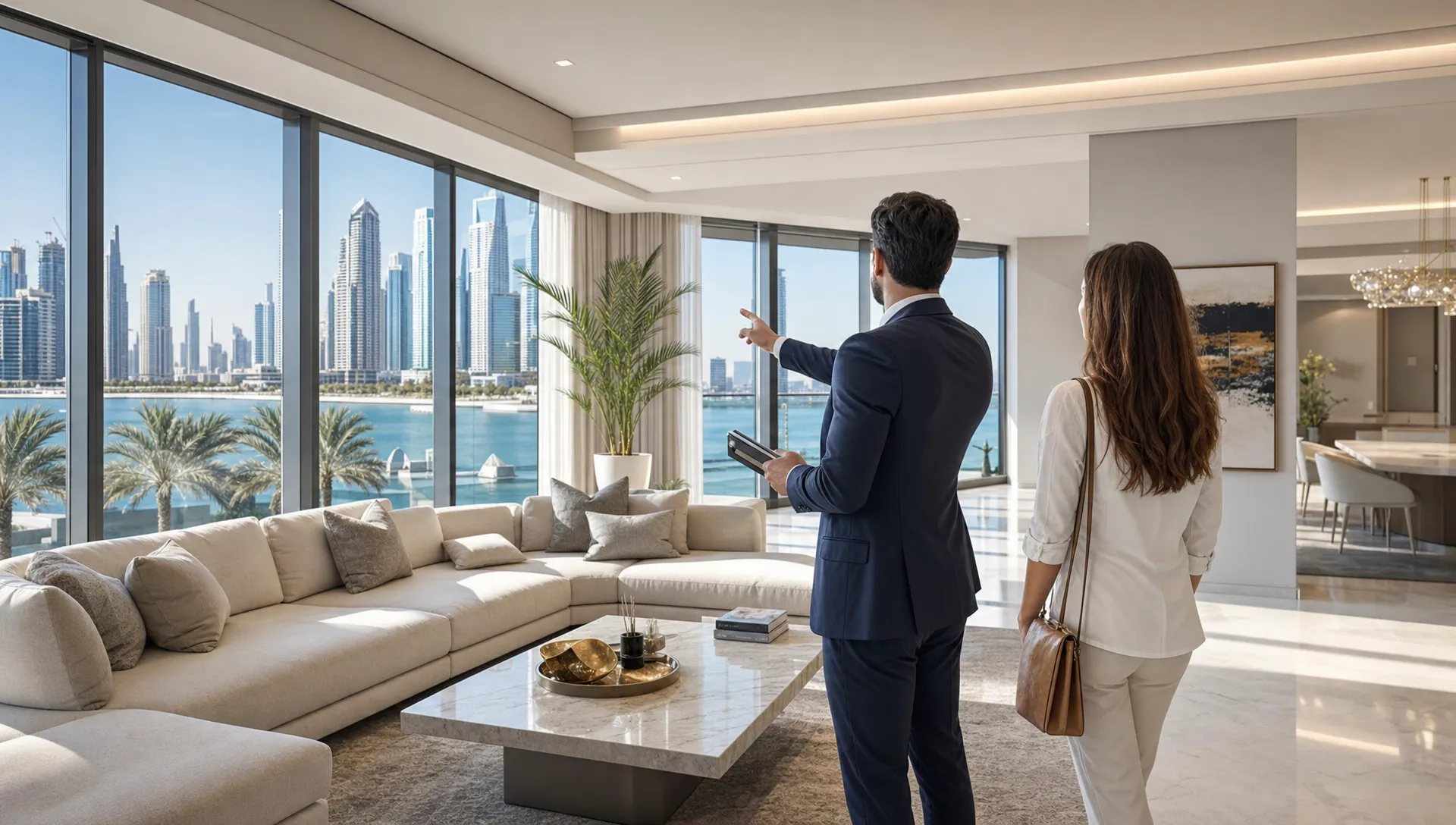
6. Understand service charges and community fees
Service charges are one of the most important costs to check before buying property in Dubai. They typically cover building or community maintenance, cleaning, security, shared facilities, landscaping, common area utilities, and management. In some properties, district cooling or chiller costs are billed separately, which can make monthly expenses higher than expected.
Ask for the latest service charge information, payment history, and any planned major works. If you are buying in a building, check whether the elevators, lobby, gym, pool, corridors, parking areas, and facade appear well maintained. Poor common-area maintenance can affect comfort, tenant demand, and resale value.
For official property and transaction-related information, buyers can refer to the Dubai Land Department and verify details through the appropriate official channels or licensed professionals.
7. Review utilities, cooling, and operating costs
Two properties with the same purchase price can have very different running costs. Ask about average DEWA bills, cooling bills, internet availability, gas connection, AC servicing, pest control, landscaping, pool maintenance, and any community-specific charges.
For villas, outdoor areas can significantly increase expenses. Gardens, pools, irrigation systems, exterior lighting, and larger AC zones all add to monthly ownership costs. For apartments, cooling method matters. Chiller-free, district cooling, and individual AC systems can each affect bills differently.
If the seller, landlord, or agent can share recent utility ranges, review them carefully. If not, speak with residents in the same building or community when possible. They often know the real operating costs better than anyone.
8. Verify documents and ownership status early
Before paying a deposit, confirm that the person offering the property has the authority to sell or rent it. For a purchase, key documents may include the title deed, seller identification, power of attorney if someone is acting on behalf of the owner, mortgage status, developer NOC requirements, and any Oqood or off-plan documentation if relevant.
For rental homes, ask to verify the landlord’s ownership, tenancy terms, cheques, maintenance responsibilities, and Ejari requirements. Be cautious if you are asked to transfer money to a personal account without proper documentation or if the deal is rushed with vague explanations.
If you are moving from browsing to making an offer, it is worth reviewing the full process in this step-by-step guide on how to buy a property in Dubai so you understand the typical stages before transfer.
9. Look beyond the home and judge the whole community
A house is not only its walls, rooms, and finishes. The surrounding environment shapes your daily life and the property’s long-term value.
In an apartment building, check the lobby, elevators, parking access, security desk, visitor parking, pool, gym, corridors, garbage rooms, and fire exits. In a villa community, look at road quality, lighting, landscaping, security gates, playgrounds, walking paths, drainage, and nearby amenities.
Also pay attention to resident behavior. Are common areas clean? Are cars parked chaotically? Are maintenance issues left unresolved? Is there ongoing construction nearby? These details tell you how the community is managed and how comfortable it may be to live there.
10. Think about resale or rental demand before you fall in love
Even if you are buying a home to live in, future resale value matters. Life changes, and a property that is easy to sell or rent gives you more flexibility.
Look at comparable asking prices, recent market trends, nearby supply, future handovers, planned infrastructure, school access, transport links, and the type of buyer or tenant the home will attract. A unique property can be wonderful, but if it has a difficult layout, limited parking, high charges, or weak location appeal, your exit options may be narrower.
The best home often balances emotion with logic. You should like the property, but the numbers, documents, condition, and market demand should also make sense.
Red flags to watch for when looking at houses
Some warning signs are easy to overlook during a busy viewing. Slow down if you notice any of the following:
- The price is far below similar properties with no clear explanation.
- The agent or owner pressures you to pay immediately.
- Documents are delayed, incomplete, or inconsistent.
- You are refused a second viewing or professional inspection.
- The property has visible leaks, mold, electrical issues, or AC problems.
- Service charges, cooling costs, or maintenance responsibilities are unclear.
- The advertised size, layout, or view does not match what you see.
One red flag does not always mean you should walk away, but it does mean you should ask more questions, verify details, and avoid rushing.
A practical viewing routine that saves time
Before each viewing, create a simple scorecard with your must-haves, nice-to-haves, and deal breakers. After leaving the property, rate it while the details are fresh. Photos and notes from multiple viewings can blur together quickly, especially if you are seeing several homes in one day.
Take measurements if furniture fit matters. Open cupboards, test taps, check phone signal, look at parking, and ask what stays with the property. If you are buying, request the key documents and cost breakdown before making a serious offer. If you are renting, clarify maintenance, payment schedule, renewal terms, and handover condition.
Most importantly, do not judge a property only by the first impression. The best decision comes from combining lifestyle fit, financial clarity, legal verification, and market comparison.
Frequently Asked Questions
What should I check first when looking at houses? Start with your true budget, the property’s location, and whether the listing details match reality. These three checks quickly reveal whether the home is worth deeper inspection.
How many times should I view a house before buying it? Ideally, view it at least twice, including once at a different time of day. A second visit helps you notice noise, light, traffic, parking, and maintenance issues you may miss the first time.
Should I get a property inspection in Dubai? For many buyers, especially those purchasing villas, older homes, or renovated properties, a professional inspection can be valuable. It may reveal AC, plumbing, waterproofing, electrical, or structural issues before you finalize the deal.
What extra costs should I check before buying a home in Dubai? Check transfer fees, agency commission, mortgage-related costs if applicable, trustee or admin fees, service charges, cooling costs, maintenance, insurance, moving expenses, and any community-specific payments.
How can I compare houses more effectively? Use the same checklist for every viewing and compare homes by total cost, condition, location, layout, documents, community quality, and resale potential. This keeps your decision objective.
Find a home with more confidence
Looking at houses becomes much easier when you start with accurate listings, strong filters, clear photos, and direct ways to contact agents or owners. On Best Property, you can explore properties across the UAE, compare options, save favorites, and use detailed listing information to build a smarter shortlist before you visit in person.


Join The Discussion