
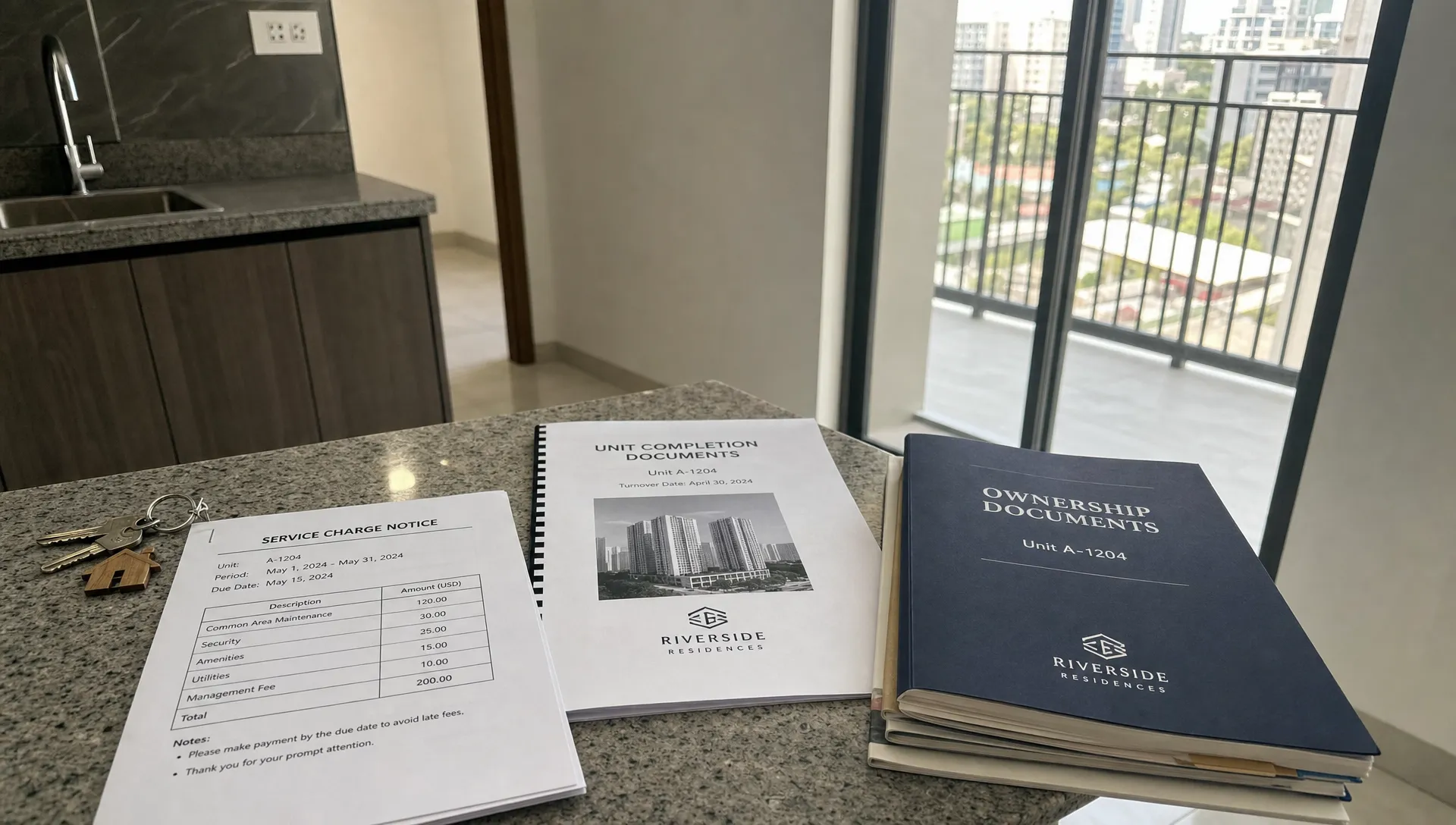
If you want to buy property in Dubai on installments, the responsible approach starts with affordability, not advertising. A low booking amount can look attractive, but the real question is whether the full payment schedule fits your income, savings buffer, buying goal and risk tolerance through handover and beyond.
Dubai offers several installment-style routes, especially through off-plan developer payment plans, post-handover plans, rent-to-own arrangements and mortgage-supported purchases. Each can work well for the right buyer, but none should be treated as a shortcut around due diligence. The safest buyers compare the total price, contract obligations, developer record, transaction costs and exit options before they reserve a unit.
How to buy property in Dubai on installments with a safe budget
To buy property in Dubai on installments responsibly, first decide the maximum amount you can commit without relying on optimistic income assumptions. Your budget should include the down payment, scheduled installments, Dubai Land Department fees, agency fees where applicable, mortgage costs if financing is involved, service charges, maintenance and a cash reserve.
A simple rule is to work backward from your monthly cash flow. If an installment plan requires large milestone payments every few months, divide those payments into monthly savings targets. A plan that feels easy because the first payment is small may become stressful when 10 percent or 20 percent installments arrive close together.
The safer budget is the one that still works if rent rises, bonuses are delayed, a tenant moves out or handover takes longer than expected. If you need to sell quickly to meet future installments, you are not buying from a position of strength.
Match the plan to your buyer profile
Different buyers need different safeguards. An end-user with stable UAE income may focus on monthly affordability and handover timing. An overseas investor may need stronger protection around currency changes, rental assumptions and remote management. A first-time buyer may need extra time to understand legal documents and ownership costs.
| Buyer type | Main priority | Installment risk to watch |
|---|---|---|
| End-user | Livability, handover date and monthly affordability | Committing before job or residency plans are stable |
| Investor | Rental yield, resale liquidity and capital growth | Assuming rent will cover every payment |
| Overseas buyer | Remote documentation and money transfers | Currency movement and delayed approvals |
| First-time buyer | Clarity of process and total costs | Focusing only on the booking amount |
Understand the main installment structures in Dubai
The most common way to buy property in Dubai on installments is through an off-plan payment plan from a developer. You pay a booking amount, then installments tied to dates or construction milestones, with the balance due at handover or after handover depending on the plan.
Post-handover payment plans spread part of the price after you receive the unit. They can reduce upfront pressure, but they may come with a higher total price than an equivalent cash or standard payment plan. Compare the purchase price, not only the schedule.
Rent-to-own can also feel similar to installments because part of your rent may count toward purchase under a specific contract. This structure needs careful legal review because terms vary widely. If you are comparing this route, Best Property has a separate guide on rent-to-own property in Dubai for first-time buyers that explains the model in more detail.
Mortgage-backed buying is different. You still make a down payment and repay the bank monthly, but the loan approval, valuation and interest rate create their own responsibilities. Never assume a future mortgage will be approved unless you have spoken with lenders and checked eligibility.
Calculate the full cost before you reserve
When you buy property in Dubai on installments, the advertised property price is only one part of the total commitment. Dubai transactions usually involve government fees, administration charges and ongoing ownership expenses, so a buyer who budgets only for the first installment may face avoidable pressure later.
Dubai Land Department charges are a major part of the upfront cost. The DLD transfer fee is commonly 4 percent of the property value, but buyers should always verify the latest fee schedule through the Dubai Land Department or a qualified conveyancer before signing.
Other costs vary by property type and transaction structure. Resale purchases often involve agency commission, trustee fees and NOC charges. Off-plan purchases may involve registration fees, admin charges and future service charges once the building is operational. If you use a mortgage, add valuation fees, bank arrangement fees and insurance costs.
| Cost item | Why it matters |
|---|---|
| Down payment or booking amount | Locks the unit, but may be non-refundable under certain terms |
| Scheduled installments | Determines your cash flow pressure before and after handover |
| DLD and registration fees | Can add a significant upfront amount beyond the price |
| Agency or broker fees | Common in resale deals and should be agreed clearly |
| Service charges | Affect long-term ownership cost and net rental yield |
| Mortgage costs | Change affordability through interest rates and bank fees |
| Maintenance and furnishing | Often underestimated by end-users and landlords |
Do due diligence before signing anything
A buyer who wants to buy property in Dubai on installments should verify the project, seller and payment mechanism before transferring money. For off-plan property, confirm that the developer and project are properly registered and that payments go to the approved escrow account, not to an informal personal or company account.
For resale property, check the title deed, seller authority, mortgage status, tenancy status and whether any service charge arrears exist. If a property is tenanted, the lease terms can affect when you can move in or how quickly you can adjust rent. If you are buying directly from an owner, be especially careful about identity verification and the transfer process.
A practical due diligence checklist should cover the property, the payment plan, the person selling, the legal documents and the exit path. For a broader pre-purchase review, use this guide on what to check before you buy real estate property alongside professional advice.
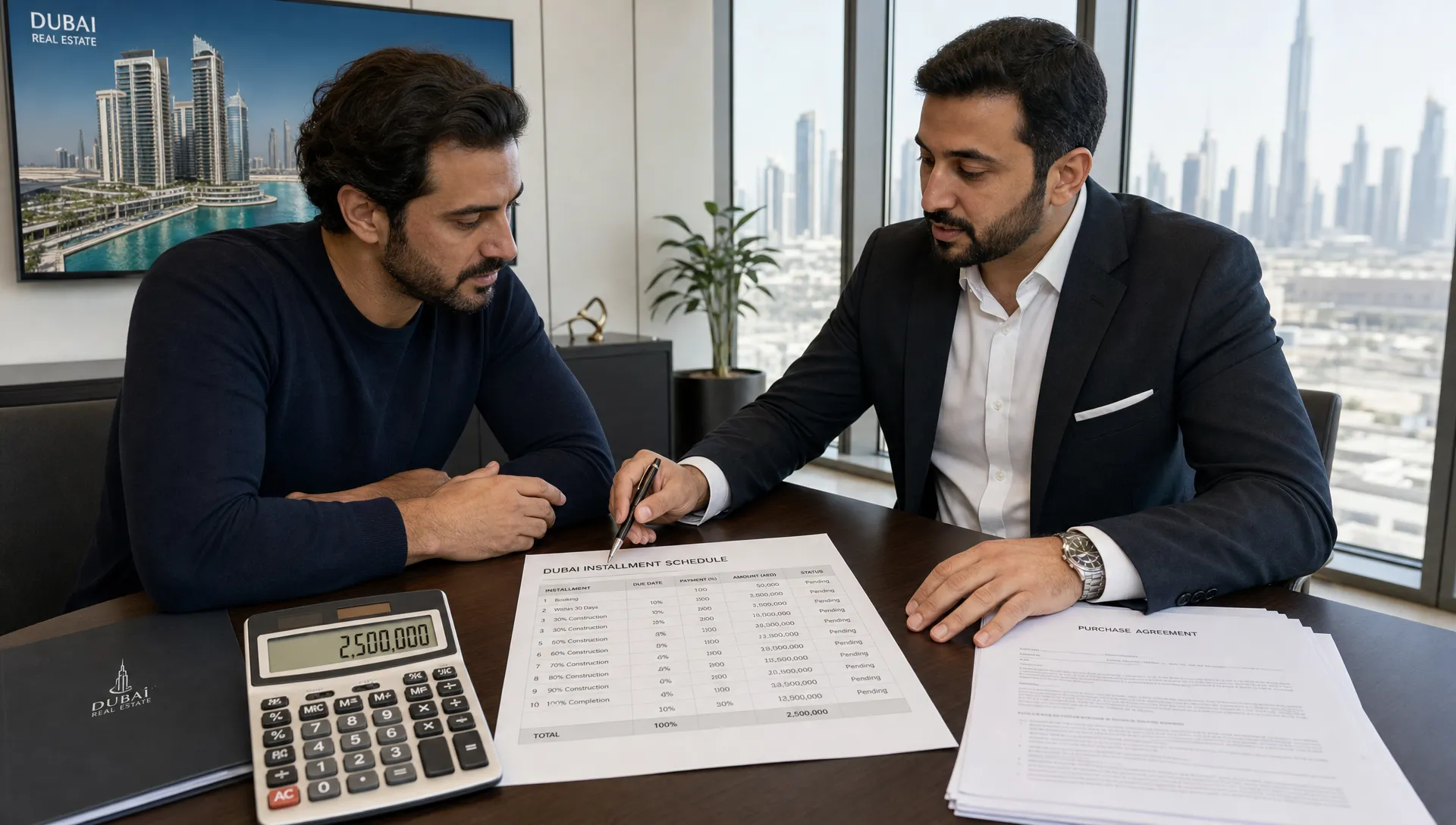
Compare the developer and project, not only the payment plan
Many buyers decide to buy property in Dubai on installments because a developer advertises a low deposit or extended post-handover schedule. The better question is whether the project itself remains attractive if the payment plan were removed from the equation.
Look at the developer's completed projects, handover record, build quality, community infrastructure and after-sales reputation. A generous plan does not compensate for poor location, weak demand or unclear delivery expectations. For apartments, assess the building layout, parking, amenities, service charge expectations and likely tenant profile. For villas or townhouses, look at access roads, schools, retail, community management and future supply nearby.
You should also compare similar units with different payment structures. A property with a longer plan may be priced higher than a unit with a shorter plan. In that case, you are effectively paying for financing through the purchase price. Best Property's guide to Dubai payment plan properties buyers should compare covers this comparison in more depth.
Stress-test your cash flow before committing
Before you buy property in Dubai on installments, stress-test the plan against realistic problems. This is where many buyers discover whether the purchase is truly affordable or only affordable in the best-case scenario.
Start with three scenarios. In the base case, your income continues as expected and you meet all payments on time. In the cautious case, assume higher living costs, lower rental income or a temporary income gap. In the severe case, assume you need to hold the property longer than planned, sell into a slower market or cover the final handover payment without a mortgage.
A conservative buyer keeps a cash reserve separate from the installment money. This reserve can cover emergencies, service charges, repairs, vacancy periods and unexpected delays. If every dirham of savings is assigned to the payment plan, the purchase may be too tight.
Also think about currency if your income is not in UAE dirhams. Exchange rate movement can make future installments more expensive in your home currency. A plan that looks manageable today can change if your local currency weakens.
Read the payment plan and sale contract line by line
When you buy property in Dubai on installments, the sale and purchase agreement is not a formality. It determines when payments are due, what happens if you miss a payment, whether there is a grace period, how cancellation works and what rights you have if the project is delayed.
Key clauses include the installment schedule, late payment penalties, default rules, refund terms, handover definition, snagging process, floor area variations and restrictions on resale or assignment before completion. If you expect to finance the final payment with a mortgage, check whether the contract gives you enough time and flexibility to arrange it.
For off-plan property, confirm that the payment plan in the contract matches the advertised plan exactly. If a salesperson explains something verbally, ask for it in writing. Verbal promises about views, completion dates, rental returns or resale support should not be treated as contract rights unless they appear in approved documents.
Independent legal advice is worth considering, especially for large purchases, overseas buyers and anyone signing from outside the UAE.
Follow a responsible buying process
A structured process reduces emotional decisions. If you are early in the journey, Best Property's step-by-step guide on how to buy a property in Dubai can help you understand the broader transaction flow before you focus on installments.
Use this sequence before you commit funds:
- Define your purpose: Decide whether the property is for living, rental income, capital growth or future relocation.
- Set your true budget: Include purchase price, fees, installments, reserves and ownership costs.
- Shortlist suitable areas: Compare demand, infrastructure, commute, rental market and future supply.
- Verify the project or seller: Check registration, ownership, escrow, title documents and authority to sell.
- Compare total deal value: Look beyond the deposit and evaluate price, payment timing and resale potential.
- Review the contract: Confirm payment dates, penalties, cancellation rights and handover terms before signing.
A responsible buyer is not the one who avoids installments entirely. It is the buyer who understands the commitment clearly enough to complete the purchase without financial strain.
Common mistakes to avoid
The biggest mistake is choosing a plan because the first payment is low. Installment plans can make entry easier, but they do not reduce the total obligation. If the later installments are unrealistic, the low deposit only delays the problem.
Another mistake is assuming that all Dubai property appreciates quickly enough to create an easy exit. Some projects resell fast, others need time. Liquidity depends on location, price, handover stage, developer reputation and market conditions at the time you need to sell.
Avoid these common errors:
- Reserving a unit before checking the full payment schedule
- Ignoring DLD fees, service charges and mortgage costs
- Paying into an account that is not properly verified
- Relying on guaranteed rental claims without written proof
- Assuming you can resell before handover without restrictions
- Signing a contract you have not read carefully
If you buy property in Dubai on installments with a clear budget, verified documents and a realistic exit plan, installments can be a useful tool rather than a financial trap.
Frequently Asked Questions
Can foreigners buy property in Dubai on installments? Yes, foreign buyers can buy in designated freehold areas and many developers offer installment plans to UAE residents and overseas buyers. Eligibility, required documents and payment methods can vary, so verify the terms with the developer, broker or legal adviser before reserving.
Is an off-plan payment plan better than a mortgage? Not always. An off-plan plan may reduce bank involvement during construction, but the property price can be higher and payments may be less flexible. A mortgage gives longer repayment terms but depends on approval, valuation, interest rates and eligibility.
What deposit do I need for an installment property in Dubai? Deposits vary by developer, project and market conditions. Some advertised booking amounts are small, but you should evaluate the full payment plan, all fees and the next installment dates before judging affordability.
What happens if I miss an installment? The consequences depend on the sale contract and applicable rules. You may face late fees, default notices or cancellation risk. Review the default clause carefully and get professional advice before signing if you are unsure.
Should I buy a property with a post-handover payment plan? A post-handover plan can help some buyers spread payments after receiving the unit, but compare the total price and cash flow impact. It is not automatically cheaper than paying more upfront.
Make installments work for your long-term plan
Installments can make Dubai real estate more accessible, but they should never replace disciplined budgeting and document checks. The responsible path is to shortlist properties that fit your purpose, compare payment structures carefully and confirm every cost before you sign.
Best Property helps buyers explore updated UAE listings, compare property options and connect with agents or owners directly. Use the platform to study asking prices, review available photos and virtual tours and narrow your search before making a financial commitment.


Join The Discussion