
Dubai’s housing market in 2026 is not a single, citywide story. Some communities are still seeing resilient buyer demand, especially where land is limited or lifestyle value is clear. Other areas are becoming more price sensitive as new supply, mortgage affordability, and buyer choice start to matter more.
For buyers, the key question is no longer just, “Are Dubai home prices going up?” A smarter question is, “Which type of home, in which area, at which price per square foot, with which future supply risk?”
That shift matters whether you are buying a first home, upgrading into a villa, purchasing a holiday property, or investing in an off-plan apartment. The right deal in 2026 is less about chasing headlines and more about understanding how Dubai home price trends differ across locations, property types, and ownership goals.
The big 2026 picture: price growth is becoming more selective
Dubai’s post-pandemic property cycle brought strong demand across many segments, but 2026 buyers should expect a more selective market. Prime addresses, scarce villa communities, and well-located branded or waterfront projects can behave very differently from outer apartment clusters with heavy future handovers.
This does not mean the market is weak. It means pricing power is not evenly distributed.
A premium unit with a sea view, strong developer reputation, and limited comparable supply may still attract competitive interest. A standard apartment in a large master community with multiple similar towers may face more negotiation, especially if sellers are motivated or rental yields no longer justify the asking price.
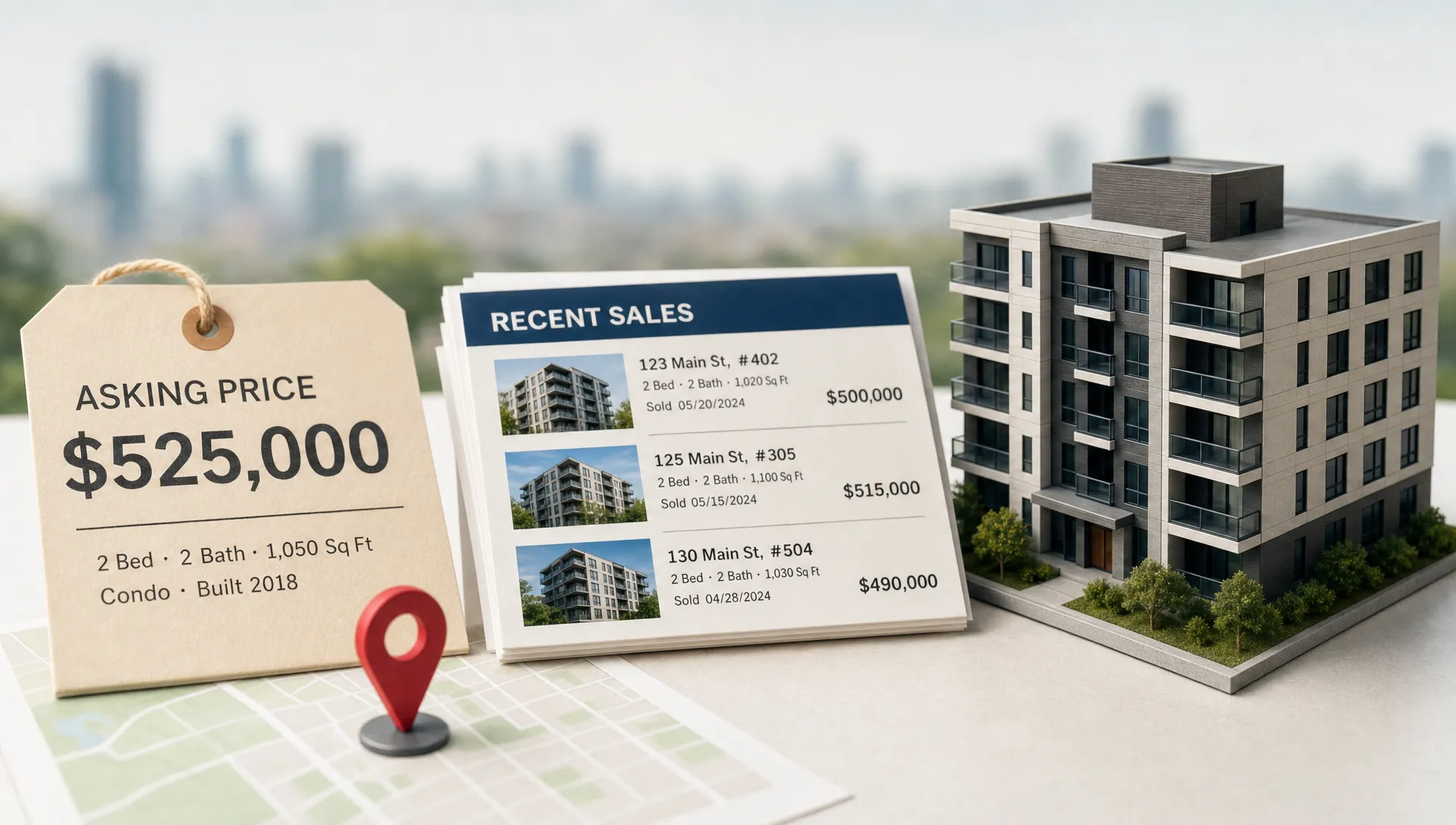
The most important buyer habit in 2026 is comparing asking prices against real transaction evidence. Asking prices show seller expectations, while transaction data shows what buyers are actually paying. Dubai buyers can review official market activity through sources such as the Dubai Land Department open data, then compare that with live listings, broker guidance, and recent sales in the exact building or community.
What is shaping Dubai home price trends in 2026?
Several forces are influencing home prices at the same time. Buyers who understand these factors can avoid overpaying in a hot pocket or missing value in a quieter one.
Population growth and end-user demand
Dubai continues to attract residents, entrepreneurs, professionals, and international buyers. This supports long-term housing demand, especially for homes close to business districts, schools, transport links, and lifestyle destinations.
End-user demand is particularly important because it can stabilize prices even when investor activity cools. A family buying near schools in Dubai Hills Estate or Arabian Ranches, for example, may be less speculative than an investor buying a studio purely for short-term yield.
Mortgage affordability and interest rates
Mortgage buyers in 2026 need to pay close attention to monthly payments, not only sale prices. Since the UAE dirham is pegged to the US dollar, financing costs are influenced by the global interest rate environment. Even a small rate change can affect affordability, especially for buyers taking larger loans.
Cash buyers may have more negotiating power when sellers want speed and certainty. Mortgage buyers should secure pre-approval early so they can act decisively while knowing their true budget.
New supply and handover timelines
Supply is one of the biggest price differentiators in Dubai. A community with many similar units completing around the same period can see more rental and resale competition. A mature area with limited land and few comparable homes can remain more defensive.
The risk is not just the number of units coming to market. It is also the type of units. A flood of one-bedroom apartments affects pricing differently from a limited release of large family villas.
Developer payment plans and off-plan premiums
Attractive payment plans can make off-plan homes feel more affordable, but buyers still need to check whether the price per square foot is justified. A long payment plan may come with a premium built into the sale price.
The key is to compare the off-plan price with completed homes nearby, expected handover quality, service charges, resale liquidity, and realistic rental income after completion.
Price behavior by property type
Different property types are moving for different reasons. A buyer looking at apartments should not assume the same trends apply to villas, townhouses, or luxury waterfront homes.
| Property type | 2026 price trend to watch | Buyer takeaway |
|---|---|---|
| Apartments | More variation by building, view, and handover pipeline | Compare price per square foot within the same tower or micro-market |
| Villas | Supported by land scarcity and family demand in established communities | Focus on plot, layout, maintenance, and community maturity |
| Townhouses | Popular with upgraders seeking more space at a lower entry price than villas | Watch future supply in similar master communities |
| Luxury homes | Prime and waterfront assets can remain resilient when supply is limited | Confirm true scarcity, not just luxury marketing |
| Off-plan homes | Strong demand where payment plans and developer trust align | Compare with ready alternatives before accepting a premium |
Apartments: more choice means more comparison power
Apartment buyers in 2026 often have more options, especially in areas with active development pipelines. This can be an advantage if you know how to compare properly.
Do not compare only total price. A cheaper apartment may have a less efficient layout, weaker view, higher service charges, or a location farther from transport and amenities. A more expensive unit may still be better value if it has stronger rental demand, better finishing, and a more liquid resale market.
For apartments, buyers should compare recent transactions in the same tower first, then similar towers in the same community. A Downtown Dubai apartment should not be priced only against Dubai Marina or Business Bay because each area has different demand drivers.
Villas: scarcity still matters, but condition matters too
Villas have been one of Dubai’s most watched segments because family-sized homes in established communities are not unlimited. Communities with mature landscaping, schools, retail, parks, and strong access routes can command a premium.
However, villa buyers should be careful not to pay only for the community name. Renovation needs, plot orientation, road noise, extension approvals, maintenance history, and layout efficiency can all affect fair value.
In 2026, the strongest villa purchases are usually those where the land value, community quality, and livability all support the price. A large plot in a mature area may hold value better than a newer villa with a tighter plot in a community facing heavy future supply.
Luxury homes: scarcity beats branding alone
Luxury property in Dubai is not just about expensive finishes. Buyers should ask whether the home offers something genuinely difficult to replace, such as beachfront access, skyline views, branded service standards, large plots, privacy, or proximity to elite lifestyle hubs.
A luxury premium is more defensible when there are few true substitutes. It is less defensible when many similar units are being marketed with the same claims.
Area-level trends: why micro-markets matter more than city averages
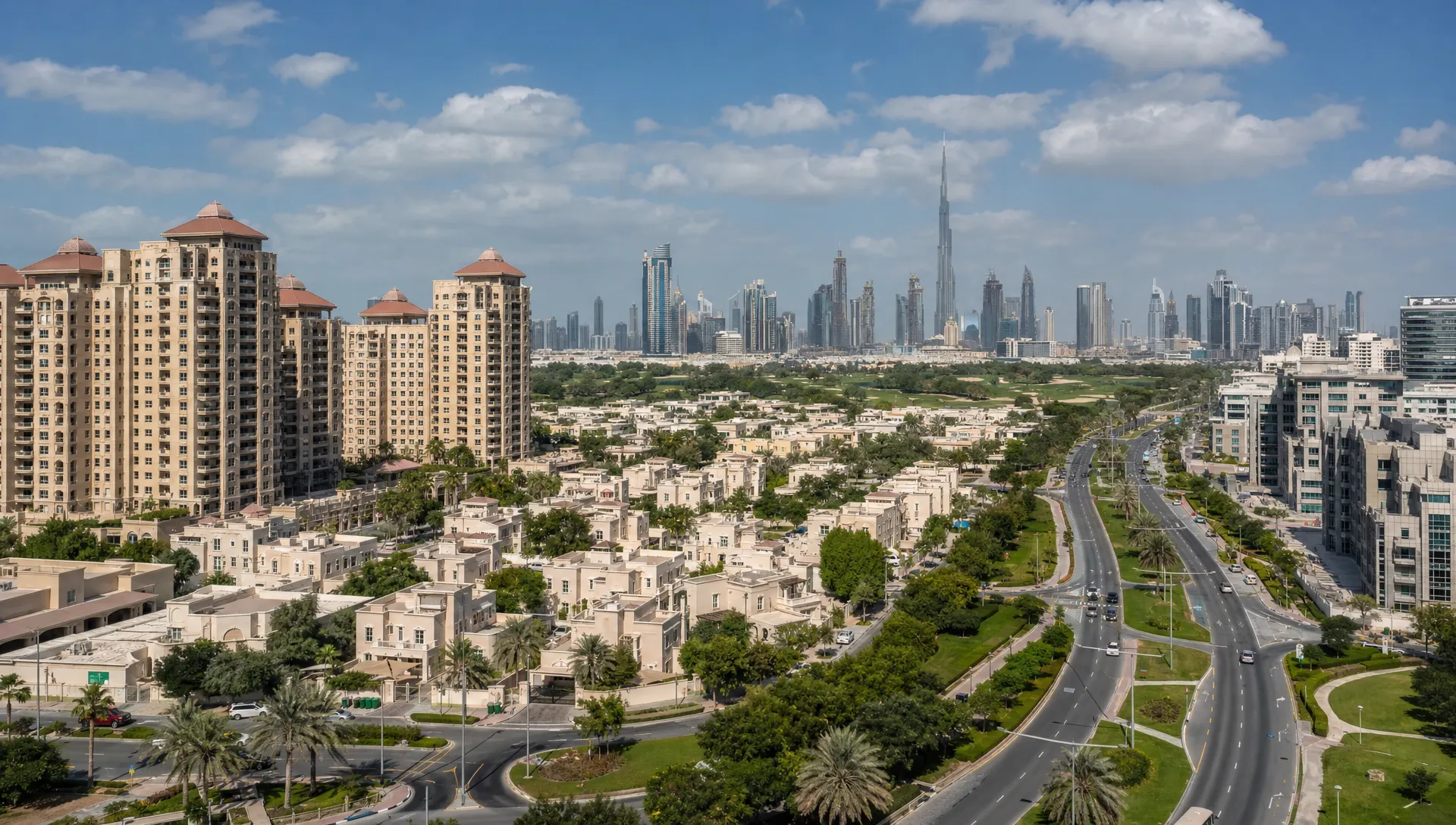
Citywide averages can be misleading. Dubai is a collection of micro-markets, each with its own supply, lifestyle appeal, access, and buyer profile.
A buyer comparing Jumeirah Village Circle, Dubai Marina, Palm Jumeirah, Dubai Hills Estate, Business Bay, and Arabian Ranches is not comparing identical products. Each area attracts different residents and investors.
If you are still deciding where to focus, start by reviewing which neighborhoods match your budget and lifestyle before narrowing your search to individual buildings or villa communities.
Here is a practical way to think about area pricing in 2026:
| Area signal | What it can mean for prices | What buyers should check |
|---|---|---|
| Limited land or mature community | Better price resilience | Recent resale activity and days on market |
| Many new handovers nearby | More competition for tenants and resales | Completion pipeline and rental listings |
| Strong school and family demand | Support for villas and townhouses | Commute times, traffic, and community fees |
| Tourist or waterfront appeal | Stronger short-term and lifestyle demand | Building rules, service charges, and view quality |
| Lower entry price area | Potential value, but higher supply sensitivity | Developer quality and long-term infrastructure |
Off-plan versus ready property in the 2026 price cycle
One of the biggest buyer decisions in 2026 is whether to buy off-plan or ready property. Both can make sense, but they respond to price trends differently.
Ready homes give you clearer information. You can inspect the unit, understand the building condition, estimate service charges, assess the community, and potentially earn rent sooner if it is an investment purchase.
Off-plan homes offer phased payments, newer designs, and sometimes access to high-demand locations before completion. But they also carry delivery, market, and resale timing risks.
The question is not whether off-plan is better than ready. The question is whether the specific off-plan price is fair when compared with ready alternatives. A polished sales center and flexible payment plan should not replace transaction analysis.
For a deeper comparison, Best Property has a detailed guide to off-plan vs ready property in Dubai that can help you match the choice to your budget, risk tolerance, and timeline.
How buyers should read Dubai home prices in listings
In 2026, listing literacy is one of the most valuable buyer skills. Two properties may look similar online but carry very different value once you examine the details.
Start with price per square foot, but do not stop there. A low price per square foot may reflect a less desirable layout, lower floor, obstructed view, older condition, or urgent seller situation. A high price per square foot may be justified by a rare view, upgraded interiors, larger balcony, or a premium building.
Buyers should pay special attention to:
- The exact building, cluster, or phase, not just the community name
- Net usable space versus total advertised area
- Floor level, view, orientation, and noise exposure
- Vacant, rented, or owner-occupied status
- Service charges and expected maintenance costs
- Recent comparable transactions, not only competing listings
- Seller motivation and transfer timeline
A listing that looks cheap can become expensive if the service charges are high, the unit needs major work, or the tenant is paying below-market rent. A listing that looks expensive can be reasonable if it is vacant, upgraded, well located, and scarce.
If you want to sharpen this skill, it is worth learning how to read Dubai property listings like a smart buyer before booking multiple viewings.
The hidden costs that affect the real purchase price
The advertised home price is only one part of the cost of buying in Dubai. Buyers should calculate their total cash requirement before making an offer.
In Dubai, the transfer fee is commonly 4 percent of the property value, and buyers may also need to account for agency commission, trustee fees, mortgage registration fees if financing, valuation fees, moving costs, service charges, and furnishing or renovation expenses. Exact costs can vary by transaction, so always confirm with your agent, lender, and trustee office before signing.
This matters because two homes at the same sale price can have very different ownership economics. A ready apartment with high service charges may produce weaker net yield than a slightly more expensive unit with lower ongoing costs. A villa needing major upgrades may cost much more than the purchase price suggests.
For investors, the real metric is not gross rent divided by purchase price. It is net return after service charges, maintenance, vacancy assumptions, financing costs, and transaction costs.
Negotiation signals buyers should watch
Dubai remains competitive in desirable segments, but not every listing deserves a full-price offer. In 2026, buyers should look for signals that indicate whether negotiation is realistic.
A seller may be more flexible if the property has been listed for a long time, has multiple similar competing units, is tenanted at a low rent, needs renovation, or is priced above recent transactions.
A seller may be less flexible if the property is vacant, upgraded, in a scarce location, priced close to recent comparable sales, or attracting multiple viewings quickly.
The best negotiation strategy is evidence-based. Instead of saying “the market is lower,” show comparable transactions, competing active listings, condition differences, and any costs you will need to absorb after purchase.
What first-time buyers should do before making an offer
First-time buyers can easily get overwhelmed by fast-moving listings, developer promotions, and conflicting market opinions. A structured process helps reduce risk.
Before you make an offer, define your maximum budget, preferred communities, financing status, ownership timeline, and non-negotiables. Then compare at least several similar properties before deciding what fair value looks like.
For end-users, lifestyle fit should be part of the price decision. A cheaper home that adds 45 minutes to your commute or places you far from your child’s school may not be better value. For investors, emotional appeal matters less than rental demand, liquidity, and net return.
Use the same discipline for off-plan launches. Do not assume the first release price is automatically the best price. Compare it with ready homes, competing launches, expected handover dates, developer track record, and resale restrictions.
What investors should watch in 2026
Investors need to separate capital appreciation stories from income reality. A property can rise in price but still deliver weak net returns if service charges, vacancy, or financing costs are high.
In 2026, the strongest investment cases tend to have clear demand drivers: proximity to employment hubs, metro access, schools, beaches, branded hospitality, or established residential communities with limited rental competition.
Short-term rental potential should be treated carefully. A beautiful unit in a tourist-friendly location may perform well, but it also requires licensing, management, furnishing, seasonality planning, and building compliance. Long-term rentals may be simpler but depend heavily on tenant demand and comparable supply.
Investors should also think about exit liquidity. A highly unique property can command a premium, but it may appeal to a narrower buyer pool. A well-priced, functional apartment in a liquid community may be easier to resell.
A practical 2026 buyer checklist
Use this checklist to evaluate whether a Dubai home price is reasonable before you proceed:
| Question | Why it matters |
|---|---|
| Is the asking price close to recent completed transactions? | Helps separate market value from seller ambition |
| Are there many similar units available? | More supply can improve buyer negotiation power |
| Is the property vacant or tenanted? | Occupancy affects usability, rent, and investor returns |
| What are the service charges and maintenance costs? | Ongoing costs affect affordability and net yield |
| Is future supply coming nearby? | New handovers can influence rent and resale pricing |
| Does the layout use space efficiently? | Usable space can matter more than headline square footage |
| What is the exit market? | A good purchase should also be sellable later |
Frequently Asked Questions
Are Dubai home prices expected to rise in 2026? Dubai home prices in 2026 are likely to remain highly area-specific. Prime, scarce, and well-connected properties may stay resilient, while areas with heavy new supply may become more price sensitive. Buyers should rely on recent transactions rather than broad market claims.
Is 2026 a good year to buy property in Dubai? It can be a good year if you buy selectively, understand total costs, and compare similar properties carefully. The best opportunities are usually found where pricing is supported by real demand, strong location fundamentals, and realistic rental or lifestyle value.
Are villas or apartments a better buy in Dubai in 2026? Villas may benefit from land scarcity and family demand, but entry prices are higher. Apartments can offer more choice and stronger affordability, but buyers must watch building quality, service charges, and future supply. The better option depends on your budget and purpose.
Should I buy off-plan or ready property in Dubai? Ready property offers more certainty because you can inspect it and use or rent it sooner. Off-plan property may offer flexible payments and newer designs, but buyers should compare the price with ready alternatives and consider handover risk.
How can I avoid overpaying for a Dubai home? Compare recent transactions, check price per square foot, review service charges, inspect condition, understand supply in the area, and avoid relying only on listing headlines. A fair offer should be based on evidence, not urgency.
Make your 2026 Dubai property search more data-driven
Dubai’s 2026 housing market rewards buyers who compare carefully. The right home is not always the cheapest listing, and the most expensive listing is not always overpriced. Value depends on location, scarcity, condition, layout, ownership costs, and future demand.
Best Property helps buyers explore daily updated UAE listings, compare options, review detailed property information, and connect directly with agents or owners. Start your search on Best Property in Dubai and use real market context to make a more confident decision.


Join The Discussion