
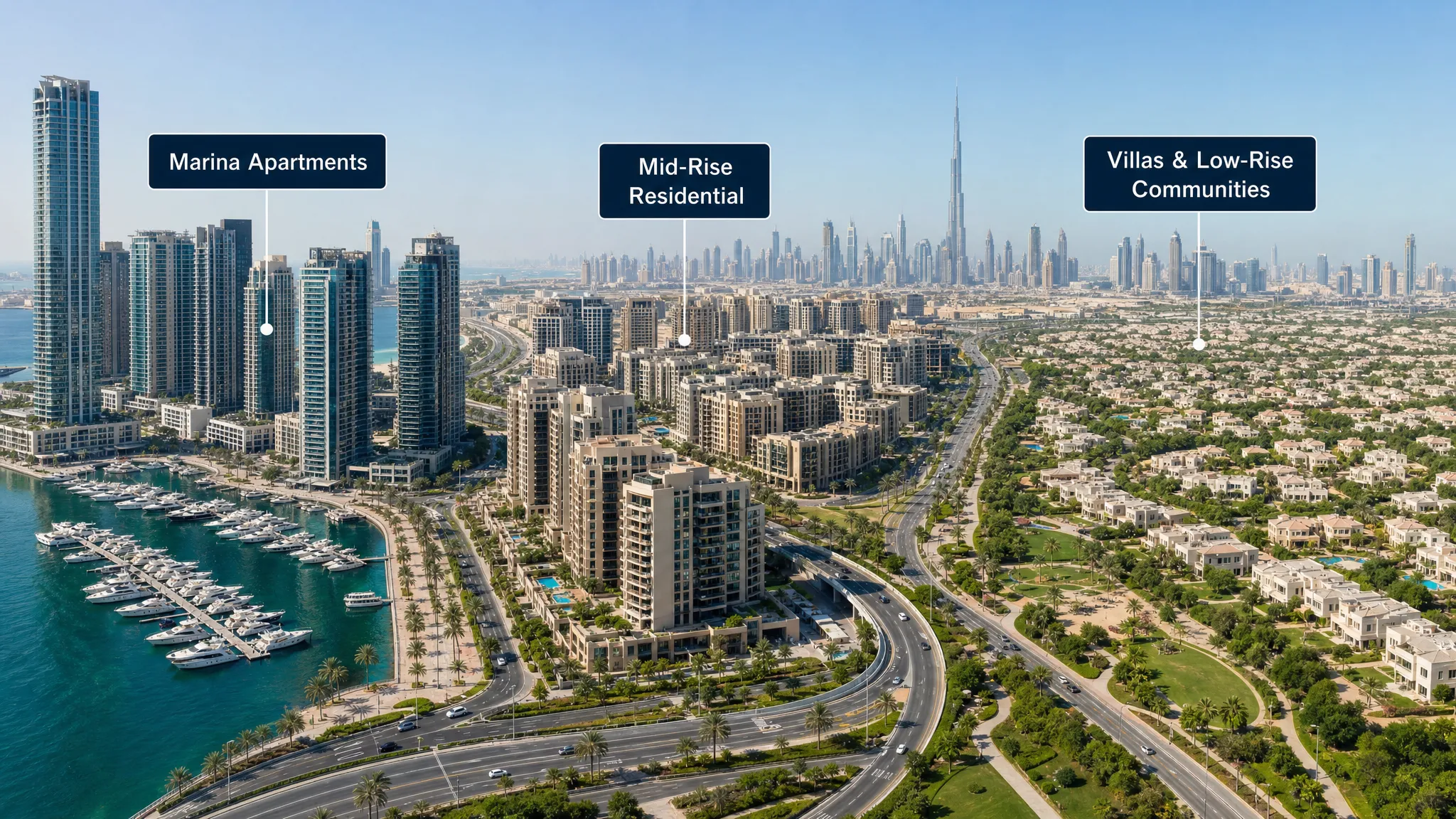
Dubai entered 2026 as a larger, more mature, and more closely watched property market than it was just a few years ago. For buyers and investors, that is both an opportunity and a warning. The easy narrative of “everything goes up” is no longer enough. The better question is which assets, communities, developers, and rental profiles can keep performing when the market becomes more selective.
The Dubai real estate outlook for 2026 is not about one single forecast. It is about understanding the forces behind demand, the risks around new supply, and the practical decisions that separate a good purchase from an expensive mistake.
The 2026 outlook in one sentence
Dubai real estate in 2026 is likely to remain attractive for global buyers and regional investors, but performance should become more uneven across locations, property types, and price segments.
That means strong assets can still command attention, especially well-located homes with real end-user demand. At the same time, average or overpriced units in highly competitive micro-markets may face slower resale activity, longer rental vacancy, or more negotiation.
For buyers, 2026 rewards patience and due diligence. For investors, it rewards fundamentals: rental depth, service charges, developer track record, exit liquidity, and realistic holding periods.
Key forces shaping Dubai real estate in 2026
Dubai’s property market is supported by several long-term factors: international migration, business formation, tourism, infrastructure investment, and the city’s position as a safe, tax-efficient hub for many global residents. These are not short-term themes. They are part of Dubai’s wider economic and urban strategy.
The Dubai 2040 Urban Master Plan, for example, focuses on improving quality of life, expanding green and recreational areas, and developing more people-centered communities. For property buyers, this matters because urban planning can influence long-term desirability, connectivity, and livability.
At the same time, buyers should not ignore the supply cycle. Dubai has a large off-plan pipeline, and future handovers can affect rents, resale prices, and tenant choice in specific communities. A citywide shortage or surplus is less useful than a building-by-building and community-by-community analysis.
| Market force | 2026 implication | What buyers and investors should do |
|---|---|---|
| Population and business growth | Supports housing demand across multiple price points | Focus on areas with real resident demand, not only launch hype |
| New project handovers | May increase competition in some communities | Check future supply before buying into a high-growth area |
| Infrastructure and master planning | Can improve long-term livability and access | Look for transport, schools, retail, parks, and employment hubs |
| Global investor interest | Keeps Dubai visible as a capital destination | Avoid overpaying just because a project is internationally marketed |
| Rental affordability | Can limit rent growth in some segments | Stress test yields with conservative rent assumptions |
What end-user buyers should expect
If you are buying a home to live in, 2026 is a market where lifestyle fit matters more than chasing the cheapest price per square foot. A lower entry price can be attractive, but it may not compensate for a long commute, weak building maintenance, limited amenities, or a layout that does not match your household’s needs.
Established communities with schools, retail, parks, and good road access are likely to remain competitive, especially for families who want stability. Ready homes in mature areas can also give buyers more certainty because you can inspect the unit, understand the building condition, and compare actual service charges.
Off-plan properties can still be appealing for end users, especially when payment plans reduce upfront pressure. But buying off-plan means accepting delivery timelines, construction risk, and the possibility that your personal circumstances may change before handover. Before signing, compare the developer’s track record, escrow protections, payment schedule, and what similar ready units cost nearby.
Transaction costs also matter. In Dubai, buyers typically need to budget beyond the advertised price, including the Dubai Land Department transfer fee, agency commission where applicable, mortgage-related costs if financing, valuation fees, trustee office fees, and ongoing service charges. These costs can materially affect affordability and resale breakeven.
If you are still mapping the purchase process, the step-by-step details in this guide to buying property in Dubai in 2026 can help you understand the legal and practical stages before you commit.
Investor outlook: income, liquidity, and selectivity
For investors, the biggest shift in 2026 is the need to think beyond headline capital appreciation. A good investment property should have a clear answer to three questions: who will rent it, who will buy it later, and why will it remain desirable if the market cools?
Rental income is still central to the Dubai real estate investment case. However, investors should use net yield rather than gross yield. Net yield accounts for service charges, maintenance, vacancy, furnishing costs, management fees, and potential rent-free periods. A property that looks attractive on gross rent can become average once the full cost base is included.
Liquidity is just as important. Some units are easier to resell because they appeal to a wide buyer pool. Others may look unique but have a narrow audience, high service charges, or a premium that is difficult to recover. In 2026, investors should be careful with assets that depend entirely on short-term resale demand.
| Property type | Potential advantage in 2026 | Main risk to assess |
|---|---|---|
| Ready apartments | Immediate rental income and easier inspection | Service charges, building condition, vacancy risk |
| Off-plan apartments | Flexible payment plans and potential entry-price advantage | Delivery delays, future supply, resale restrictions |
| Villas and townhouses | Strong family demand and limited land in prime areas | Higher ticket size and maintenance costs |
| Branded residences | International appeal and premium positioning | Higher fees and paying too much for the brand |
| Commercial units | Exposure to business growth and long leases | Tenant quality, licensing rules, fit-out costs |
The right choice depends on your objective. Income investors often prefer ready units with established rental history. Growth-oriented investors may consider off-plan, but only when the price, payment plan, developer, and location justify the risk. If you are comparing both options, this analysis of off-plan vs ready property in Dubai is a useful companion.
Areas and asset types likely to attract attention
No single community is “best” for every buyer. The stronger approach is to identify the characteristics that support demand, then compare communities based on your budget and strategy.
In 2026, buyers and investors are likely to continue focusing on areas with strong daily convenience. That includes access to major roads, public transport where relevant, schools, supermarkets, healthcare, gyms, parks, and dining. Communities that feel complete tend to attract longer-term residents, which can support both occupancy and resale liquidity.
Prime waterfront and branded projects may continue to attract wealthy international buyers, but investors should be careful with pricing discipline. At the luxury end, scarcity and prestige matter, yet overpaying for a view, brand, or launch narrative can reduce future upside.
Mid-market apartment communities can offer strong tenant demand when they are well connected and priced realistically. However, this segment is also more sensitive to new supply. Two buildings in the same area can perform very differently depending on maintenance, amenities, parking, layout efficiency, and service charges.
Family villa and townhouse communities remain important because many residents who initially rent apartments eventually seek more space. Still, investors need to compare purchase prices with achievable rents, not only with optimistic listing prices.
For a deeper community-by-community perspective, review the best areas to buy property in Dubai and use it alongside live listing data, recent transaction evidence, and rental comparisons.
Pricing outlook: think micro-market, not citywide average
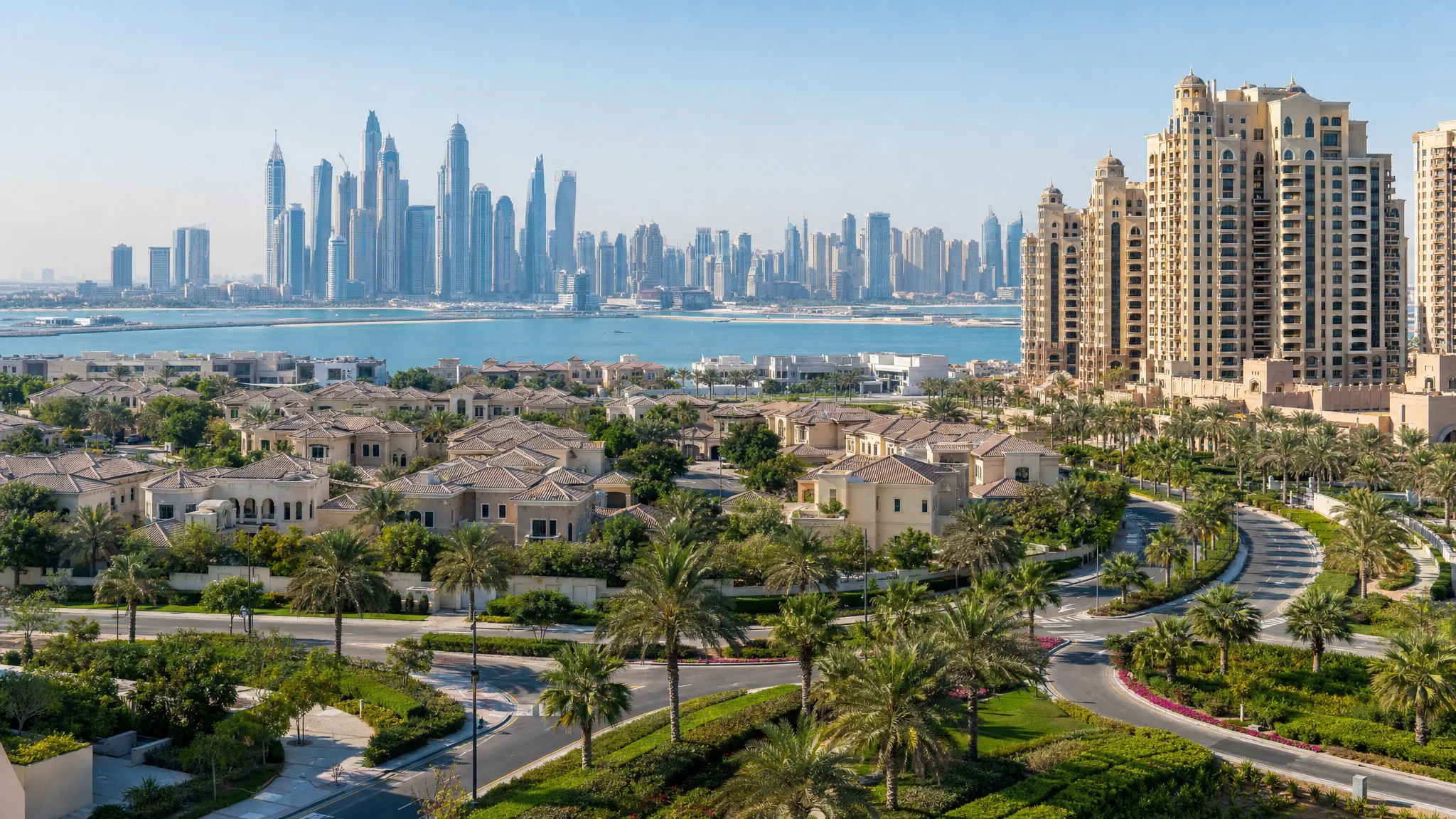
A single Dubai price forecast can be misleading. The market is made up of many micro-markets, and 2026 performance will likely vary by location, property age, developer quality, handover schedule, and buyer profile.
Prime areas with limited new supply may remain resilient, particularly for unique homes with strong views, high-quality finishes, and genuine scarcity. But even prime buyers can become more selective if prices move too far ahead of comparable transactions.
In popular mid-market communities, price growth may depend on whether new supply is absorbed smoothly. If many similar units hand over at once, landlords may compete for tenants and sellers may need to price more realistically.
In emerging areas, infrastructure delivery and community maturity are critical. Early buyers can benefit when an area improves, but they may also face years of construction, limited amenities, or uncertain rental depth. The best emerging-area investments usually have a clear demand story beyond “prices are still low.”
A practical 2026 pricing approach is to compare three numbers before making an offer: recent transactions, active listings, and realistic rental value. Asking prices show seller expectations. Transactions show what buyers actually paid. Rental value shows whether the property can carry itself as an investment.
Financing, currency, and holding-period considerations
Mortgage buyers should enter 2026 with pre-approval and a clear understanding of monthly affordability. Even if rates become more favorable, financing costs can still affect your buying power, especially when combined with service charges and maintenance.
Cash buyers have negotiation strength, but cash should not replace due diligence. A quick transaction is only valuable if the asset is priced correctly and has a clean legal and technical profile.
International buyers should also consider currency. The UAE dirham is pegged to the US dollar, which can be an advantage or a challenge depending on your income currency. If your earnings are in euros, pounds, rupees, or another currency, exchange-rate movement can affect your real cost of purchase and your returns.
Holding period is another major factor. Short-term flipping can work in strong markets, but it is riskier when transaction costs, resale restrictions, and supply competition are considered. A 3 to 5 year view is often more realistic for investors who want time for rental income, community maturity, and capital growth to work together.
Due diligence checklist for 2026 buyers
A disciplined checklist can protect you from expensive surprises. Before you reserve or sign, review the property from legal, financial, physical, and rental perspectives.
- Confirm whether the property is freehold, leasehold, or subject to any ownership restrictions.
- Check the title deed for ready property or the Oqood registration for off-plan purchases.
- Verify that an off-plan project is registered and that payments go through the correct escrow structure.
- Compare the asking price with recent transactions, not only with other listings.
- Review annual service charges and ask how they compare with similar buildings.
- Inspect the unit, common areas, parking, elevators, gym, pool, and building maintenance standards.
- Ask for current tenancy details, rent amount, notice status, and renewal terms if buying rented property.
- Understand all transfer, agency, trustee, mortgage, valuation, and maintenance costs.
- Check developer reputation, handover history, and after-sales service for off-plan or recently delivered projects.
- Stress test your investment using lower rent, higher vacancy, and unexpected maintenance.
For regulatory information, buyers can refer to the Dubai Land Department and relevant official channels. If residency is part of your motivation, check the latest eligibility rules through official UAE government guidance on the Golden Visa, since requirements can change and should be verified before purchase.
Practical strategies for different buyer profiles
A first-time homebuyer should prioritize certainty. That usually means focusing on ready or near-handover homes, manageable service charges, practical layouts, and communities that support daily life. A home you enjoy living in is more valuable than a speculative unit that does not fit your routine.
A first-time investor should keep the strategy simple. A well-priced ready apartment with clear rental demand can be easier to understand than a complex off-plan opportunity. The key is to calculate net yield and exit liquidity before being influenced by marketing promises.
A long-term investor can consider off-plan if the project has a strong developer, sensible payment plan, credible completion timeline, and a location that will still be desirable at handover. The purchase price should make sense against comparable ready properties, not only against other launches.
A family upgrading from an apartment to a villa or townhouse should pay close attention to community maturity, school access, traffic patterns, plot size, maintenance obligations, and future supply nearby. A larger home is not automatically a better investment if the location is inconvenient or the community is still underdeveloped.
A high-net-worth buyer should separate lifestyle value from investment value. There is nothing wrong with paying for rarity, views, design, or brand prestige, but the investment case should be evaluated honestly. Luxury properties can be resilient, yet they are also highly specific and can take longer to resell.
How to use listings wisely in 2026
Listings are a starting point, not the full market truth. A polished listing can highlight the best features of a property, but buyers should look deeper: price per square foot, floor level, view, furnishing quality, service charges, tenancy status, handover date, payment plan, and comparable transactions.
On Best Property, buyers and investors can use search filters, detailed listings, photos, virtual tours where available, favorites, comparison tools, and direct agent or owner contact to narrow opportunities. The goal is not to view every property. It is to build a shortlist that matches your budget, risk profile, and intended use.
In 2026, the smartest buyers will combine online research with on-the-ground verification. View the building, drive the commute, test noise levels, inspect amenities, compare competing units, and speak with qualified professionals before signing.
Frequently Asked Questions
Is Dubai real estate still a good investment in 2026? Dubai can still be attractive in 2026, especially for investors focused on rental demand, quality locations, and realistic holding periods. The key is to avoid assuming that every property will perform equally.
Will Dubai property prices rise or fall in 2026? Price movement will likely vary by micro-market. Prime scarce assets may behave differently from areas with heavy new supply. Buyers should compare recent transactions, rental yields, and future handovers before making a decision.
Is off-plan property a good idea in 2026? Off-plan can make sense when the developer is credible, the payment plan is manageable, and the entry price is justified against ready properties. It carries delivery and supply risks, so due diligence is essential.
Are ready properties safer for investors? Ready properties offer more certainty because investors can inspect the unit, check actual rent, and generate income sooner. However, they still require careful review of service charges, building quality, and resale liquidity.
Which property type is best for rental income in Dubai? There is no universal answer. Well-located apartments can be easier to rent, while villas and townhouses may attract longer-stay families. Net yield, vacancy risk, and maintenance costs matter more than property type alone.
Should foreign buyers consider Dubai property in 2026? Foreign buyers can consider Dubai if the property fits their financial plan, ownership eligibility, currency exposure, and investment horizon. They should verify legal requirements and use licensed professionals throughout the process.
Final take: 2026 belongs to selective buyers
Dubai real estate in 2026 remains one of the world’s most active property stories, but the best opportunities will not come from following hype. They will come from comparing data, understanding community fundamentals, checking legal details, and choosing assets with real end-user or tenant demand.
Whether you are buying a home, building a rental portfolio, or comparing off-plan launches, treat 2026 as a market for disciplined decisions. Use live listings, inspect carefully, ask better questions, and focus on properties that still make sense after the marketing brochure is closed.


Join The Discussion