
In the UAE, a house is rarely just a place to live. It is also a long-hold asset, a lifestyle decision and, for many buyers, a future resale or rental opportunity. That is why the best for sale houses are not always the cheapest or the newest. They are the homes with characteristics that remain useful, desirable and defensible when the market changes.
Long-term value comes from a combination of location, land, layout, build quality, maintenance cost and future buyer demand. A discounted villa in a weak location can become expensive if it sits on the market for months later. A higher-priced townhouse in a well-planned community can look expensive today but prove easier to rent, live in and resell.
If you are comparing houses for sale in Dubai or across the UAE, use the following framework to separate short-term appeal from lasting value.
What better long-term value really means
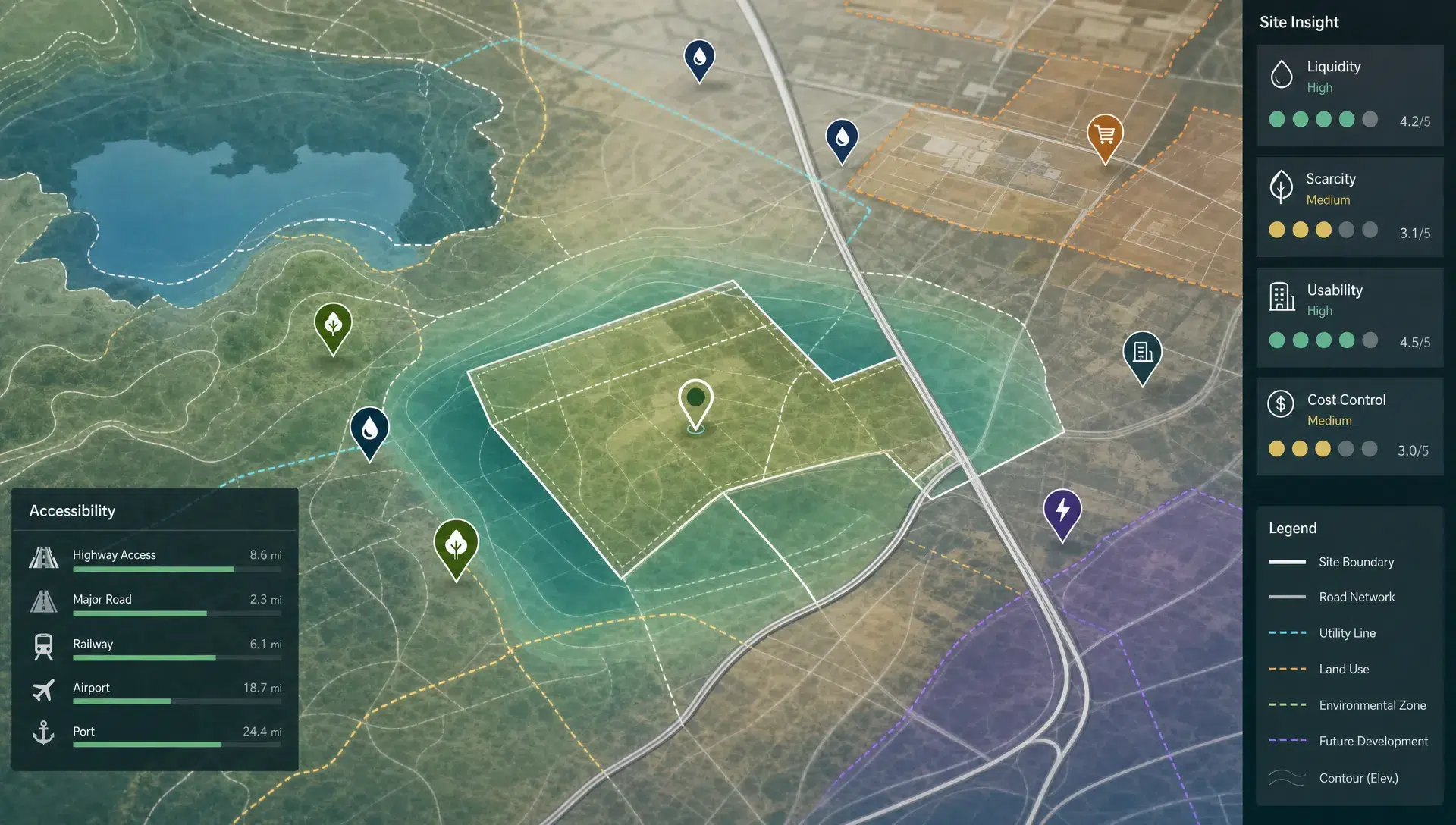
A house with better long-term value does more than rise in price during a strong market. It keeps attracting buyers and tenants because it solves everyday problems well. It has a location people understand, a layout that suits real families, outdoor space that is practical and ownership costs that do not quietly erode returns.
In simple terms, strong long-term value usually depends on four things:
- Liquidity: The property has a broad future buyer or tenant pool.
- Scarcity: The home offers something not easily replicated, such as plot size, privacy, frontage or a mature community setting.
- Usability: The floor plan, parking, storage and outdoor areas work for daily life.
- Cost control: Service fees, maintenance, renovation needs and financing costs remain manageable.
A beautiful property can still be a poor long-term buy if it lacks these fundamentals. This is especially true in villa and townhouse markets, where two homes with similar bedroom counts can perform very differently because of plot position, community maturity or hidden maintenance costs.
Start with locations that have durable demand
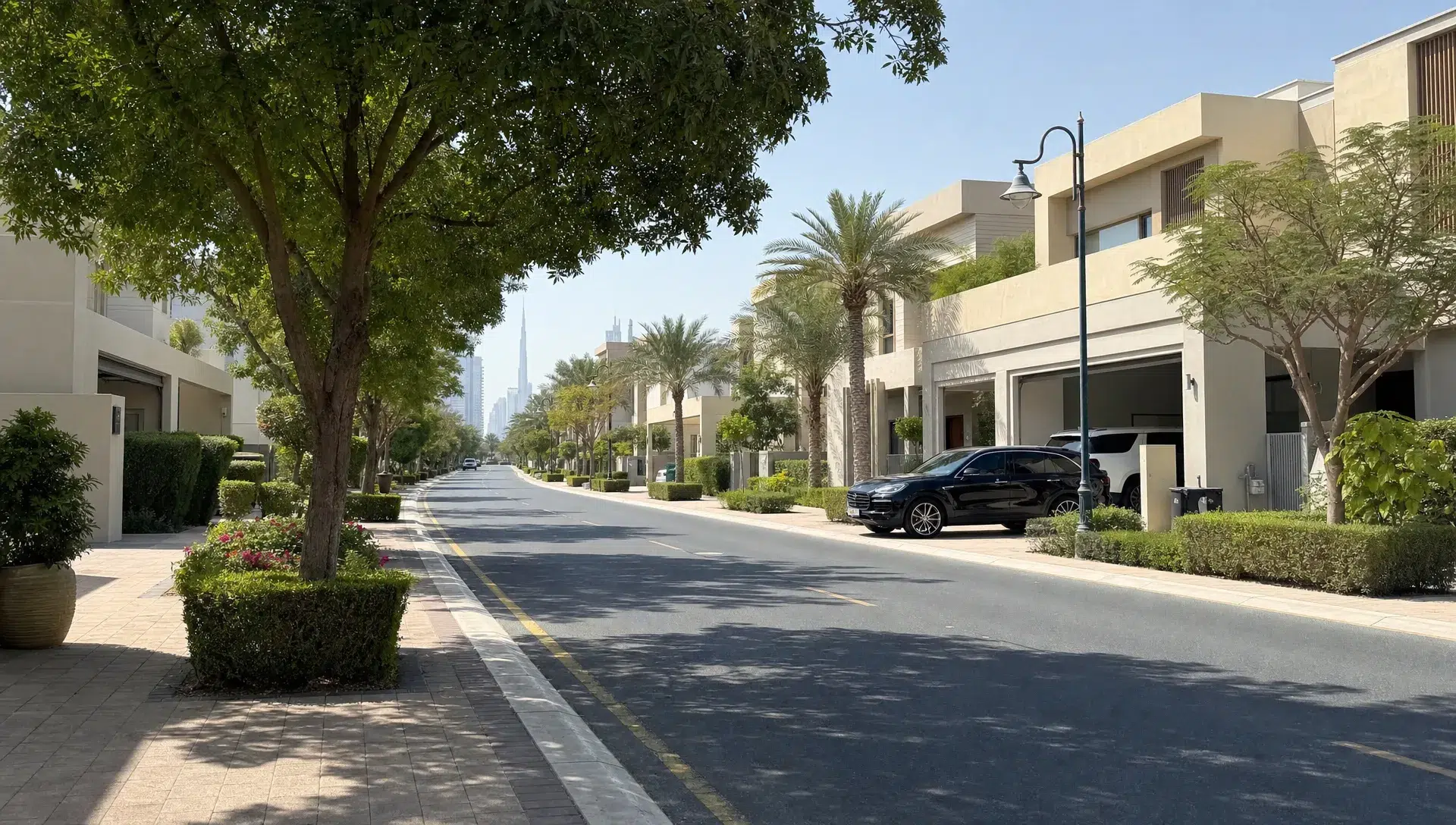
Location is still the strongest value filter, but it should be judged by daily usefulness rather than branding alone. A good long-term house location usually has a clear reason for people to keep choosing it: school access, commute convenience, community facilities, retail, healthcare, parks or proximity to major employment districts.
For families, this often means a community that reduces friction. Shorter school runs, safe internal roads, shaded walking areas, sports facilities and predictable access routes all increase livability. For investors, these same factors increase rental depth because tenants can justify staying longer.
Mature communities often have an advantage because their infrastructure, landscaping, traffic patterns and maintenance standards are easier to verify. Newer communities can still offer excellent value, especially if bought at the right stage, but the buyer must assess delivery risk, future supply and how long it will take for the area to feel complete.
If your search is focused on Dubai villas, it helps to compare established and emerging communities by resale demand and livability, not only launch prices. This guide to villas for sale Dubai buyers should shortlist in 2026 is a useful companion when you are narrowing down locations.
Look closely at plot quality, not only built-up area
Many buyers compare houses by bedroom count and built-up area first. Those figures matter, but plot quality often has more influence on long-term desirability. Land is finite, and within the same community, the better plot often sells faster.
A good plot does not always mean the largest plot. It means the land is usable, private and aligned with how future buyers want to live. A narrow oversized plot with awkward side space may be less valuable than a smaller plot with a functional garden, better frontage and a more private position.
The details that often support stronger value include corner positioning, single-row backing, distance from major roads, easy parking, good orientation, garden privacy and enough outdoor space for family use without creating excessive maintenance.
Plot premiums can be rational when they improve the home’s daily experience. They become risky when the asking price assumes prestige but the plot has obvious compromises, such as poor access, road noise, unusable outdoor space or a view that may disappear with future development.
Choose layouts that will still make sense in five to ten years
A house that works well today should also adapt to future living patterns. In Dubai and the wider UAE, family buyers often value flexible rooms, storage, staff accommodation, covered parking, ground-floor guest space and clear separation between social and private areas.
The most resilient layouts tend to avoid extremes. A property with too many small rooms can feel dated. A property with huge open spaces but little storage can look impressive in photos and frustrating in real life. The best layouts balance openness with function.
Pay attention to circulation as well. Wide hallways, natural light, sensible stair placement and direct access from kitchen to dining or garden areas make a home feel easier to use. Awkward extensions, windowless rooms, cramped staircases or bedrooms placed too close to noisy living areas can reduce resale appeal.
For a deeper look at what separates a good purchase from an attractive but risky one, this article on what makes a villa for sale in Dubai worth buying covers location, layout, legal clarity and ownership costs in more detail.
Compare ready and off-plan houses with the right expectations
Ready and off-plan houses can both offer long-term value, but they suit different buyer profiles. The mistake is treating them as if they carry the same risk.
| Factor | Ready house | Off-plan house |
|---|---|---|
| What you can verify | Actual condition, view, noise, road access and community feel | Developer reputation, master plan, payment schedule and expected layout |
| Main advantage | Immediate use, rental potential and clearer comparables | Newer design, staged payments and possible early pricing advantage |
| Main risk | Hidden maintenance or overpaying for an older fit-out | Delays, specification changes or future oversupply |
| Best suited for | Buyers who want certainty and immediate occupancy | Buyers who can wait and accept delivery risk |
| Long-term value test | Does the location and plot justify the current price? | Will the finished community support resale demand after handover? |
A ready home should be inspected with discipline. Do not let furniture, landscaping or staging distract from waterproofing, air conditioning, plumbing, roof condition, drainage and signs of settlement. An off-plan home should be judged against the developer’s track record, payment structure, surrounding supply and whether the final product will still be competitive at handover.
Factor in the true cost of ownership
A house with a lower purchase price can become less attractive if the running costs are high. In Dubai and the UAE, the total cost of ownership may include service charges or community fees, utilities, landscaping, pool maintenance, pest control, insurance, financing, minor repairs and larger replacement cycles such as AC systems or waterproofing.
Buyers should ask for recent utility bills where possible, service charge details, maintenance history and any known upcoming community works. For older properties, a professional inspection can be one of the best uses of money before signing. It helps identify problems that may not show during a short viewing.
Also consider renovation cost realistically. Cosmetic upgrades can improve enjoyment and resale value, but structural, mechanical or waterproofing work is less visible and often more expensive than expected. If a home needs both technical repairs and aesthetic updates, negotiate with that full picture in mind.
Prioritize adaptability and future usefulness
The longer you hold a house, the more valuable adaptability becomes. A spare room may become a home office. A family room may need to become a guest suite. Outdoor space may need to support children, pets, entertaining or quiet work.
Adaptability is not just an interior issue. Some larger plots may offer potential for extra storage, garden workspaces or future outdoor improvements, depending on community rules and municipal approvals. In the UAE, any structural addition should be checked carefully before purchase. For buyers researching how modular storage and small workspace concepts are packaged in more flexible markets, shipping containers for sale and custom modular builds can provide a useful reference before discussing compliant local options with a UAE architect or contractor.
The key is not to assume that every plot can be changed. Ask the agent, review community guidelines and consult the relevant authority or qualified professional before valuing a property based on future modification plans.
Use rental depth as a resale signal
Even if you are buying for personal use, rental demand is a useful indicator of long-term value. A house that appeals to tenants often appeals to future buyers because both groups care about convenience, layout, maintenance and community quality.
Look for signs of rental depth rather than relying on one advertised rent. Stronger areas usually have consistent tenant demand from families, professionals or executives with clear reasons to live there. Weak rental depth may appear when a community has too much similar supply, poor access, limited amenities or high running costs compared with nearby alternatives.
Rental value also helps investors avoid emotional overpayment. If the likely rent cannot support the purchase price within a reasonable yield range for the area, the buyer must have another strong reason for the purchase, such as rare land, personal use or long-term redevelopment potential.
Read listings with a value investor’s mindset
Online listings are a starting point, not the full answer. Photos, descriptions and asking prices can highlight the best parts of a home while leaving important questions unanswered. To protect long-term value, compare similar homes in the same micro-location before deciding whether a listing is genuinely attractive.
Useful comparisons include plot size, built-up area, bedroom count, age, renovation quality, service fees, view, road position, vacancy status and transaction history where available. Asking prices matter, but completed transactions matter more because they show what buyers actually paid.
A practical approach is to shortlist fewer homes but compare them more carefully. If you want a structured method, this guide to smarter ways to compare listings explains how to move beyond headline prices and make more accurate comparisons.
Red flags that can weaken long-term value
Some issues are not deal-breakers if the price reflects them. Others can limit resale demand for years. Before making an offer, be cautious with houses that show these warning signs:
- The asking price is far above similar completed sales without a clear reason.
- The plot is compromised by noise, poor access, heavy overlooking or awkward shape.
- The floor plan has expensive-to-fix problems, such as poor bedroom placement or limited natural light.
- The community has weak amenities compared with nearby alternatives at similar prices.
- Maintenance history is missing, vague or inconsistent with the property’s age.
- Service charges or running costs are high enough to reduce future buyer demand.
- The property depends on unapproved extensions or uncertain future permissions.
- The seller’s pricing is based on emotional upgrades that future buyers may not value.
A red flag does not always mean you should walk away. It means the risk needs to be priced correctly. If the seller will not adjust for a real weakness, there is usually another property that offers a better balance.
A simple scoring framework for for sale houses
Before you compare several for sale houses, give each one a simple score from 1 to 5 across the factors below. This keeps the decision grounded, especially when one home has emotional appeal but weaker fundamentals.
| Value factor | What to ask | Why it matters |
|---|---|---|
| Location resilience | Will families or tenants still want this area in future market cycles? | Protects liquidity and resale demand |
| Plot quality | Is the outdoor space private, usable and well positioned? | Supports scarcity and lifestyle value |
| Layout strength | Does the floor plan suit modern family living? | Reduces future renovation risk |
| Condition | Are major systems and waterproofing in good shape? | Limits unexpected costs |
| Running costs | Are fees, utilities and maintenance reasonable for the area? | Protects net return and affordability |
| Rental demand | Would the home attract quality tenants if needed? | Adds flexibility and investment security |
| Exit appeal | Can you clearly describe why the next buyer will want it? | Helps avoid illiquid assets |
The strongest homes usually score well across most categories, not perfectly in one area while failing in others. A rare plot with a poor layout may still work if renovation is feasible. A beautiful renovation in the wrong location may be harder to justify.
Negotiating for long-term value
Negotiation should be based on evidence, not a generic discount request. Use comparable listings, recent transactions, inspection findings, maintenance records and realistic upgrade costs to support your offer. A seller is more likely to respond to a well-documented position than to a low number without context.
For ready homes, negotiate around real issues: AC age, roof or waterproofing concerns, outdated kitchens, landscaping repairs, pool condition or missing documentation. For off-plan homes, value may come from payment terms, developer incentives, unit selection or buying before a wider price move, but only if the underlying project fundamentals are sound.
The goal is not always to buy the cheapest house. It is to buy the house where the price, risk and future appeal line up.
Frequently Asked Questions
What type of house usually offers the best long-term value in Dubai? Houses in well-connected, mature or clearly improving communities often offer stronger long-term value, especially when they have practical layouts, good plot positions, manageable costs and broad family appeal.
Is a villa or townhouse better for long-term value? Neither is automatically better. Villas may offer more land and privacy, while townhouses can provide lower entry prices and easier maintenance. The better choice depends on location, plot quality, community demand and total ownership cost.
Should I buy a ready house or an off-plan house for better value? Ready houses offer more certainty because you can inspect the actual property and community. Off-plan houses can offer attractive pricing and payment plans, but they carry delivery and future supply risk. Compare both based on your holding period and risk tolerance.
How do I know if a house is overpriced? Compare it with similar properties in the same community, especially recent completed transactions where available. Adjust for plot position, condition, upgrades, view, vacancy and fees. If the price premium has no clear explanation, be cautious.
What is the biggest mistake buyers make when comparing for sale houses? Many buyers focus too much on bedroom count and asking price. Long-term value depends more on location quality, plot usability, layout, condition, running costs and the size of the future buyer or tenant pool.
Find houses with stronger long-term potential
A good house purchase should make sense on viewing day and years later. Before committing, compare the property’s location, plot, layout, condition, ownership costs and resale story as one complete picture.
Best Property helps buyers explore updated house, villa and townhouse listings across the UAE with search filters, detailed photos, virtual tours where available and direct agent or owner contact. Use the platform to shortlist options, compare key details and move toward a decision with better information, not just a better-looking listing.


Join The Discussion