
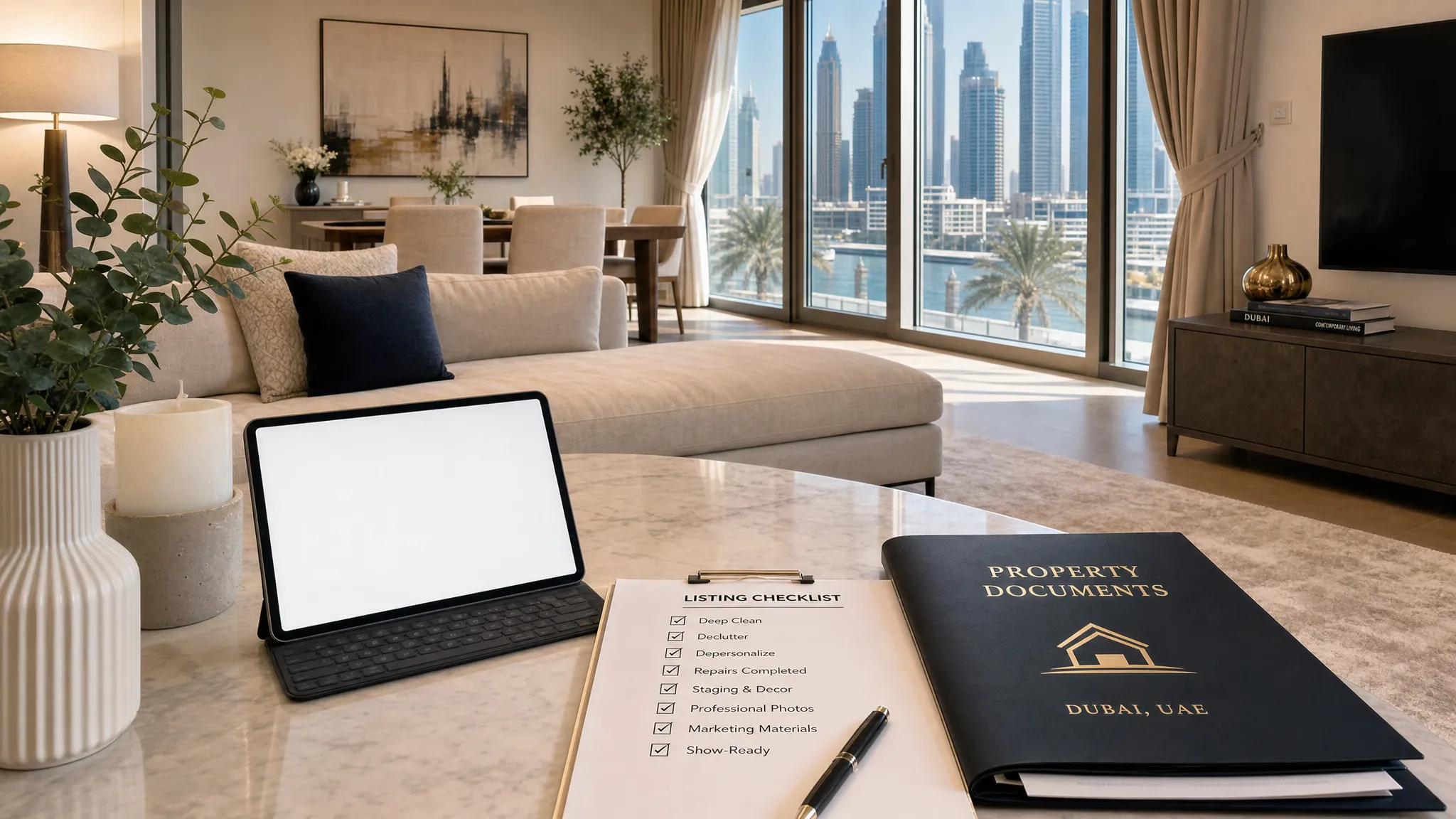
Selling a property in Dubai can be fast, but only when pricing, presentation, and marketing work together. Buyers have more data than ever, and many compare dozens of apartments, villas, and townhouses before booking a viewing. If your price is too high, your listing can sit. If your marketing is weak, even a fairly priced property may get ignored.
For a successful home sale Dubai strategy, think like a buyer and act like a market analyst. Your goal is not simply to “list and wait.” Your goal is to position the property so the right buyers recognize its value quickly, view it easily, and feel confident enough to make an offer.
Understand What “Priced Right” Means in Dubai
Dubai’s property market is highly segmented. A one-bedroom apartment in Dubai Marina, a villa in Arabian Ranches, and an off-plan handover unit in JVC can all move at very different speeds, even in the same month. That means a generic price-per-square-foot estimate is not enough.
A strong asking price should be based on three layers of evidence:
- Recent completed transactions in the same building, community, or nearby comparable projects
- Active competing listings that buyers can choose instead of yours
- Your property’s unique condition, view, layout, floor level, upgrades, tenancy status, and service charge profile
Dubai Land Department data is an important reference point because actual transactions matter more than wishful asking prices. You can also use reputable listing platforms and agent reports to understand what is currently competing for buyer attention. The key is to compare like with like, not just property type with property type.
For example, a vacant, upgraded apartment with a balcony and skyline view may justify a stronger price than a tenanted unit on a lower floor in the same tower. But if similar upgraded units have not sold at that level, the market may not support the premium.
Build a Comparable Pricing Table Before You List
Before setting your asking price, create a simple comparison of at least five to eight relevant properties. Include sold properties where possible, not only active listings. This gives you a realistic range and helps avoid the common mistake of anchoring to the highest listing online.
| Pricing factor | Why it matters | Seller action |
|---|---|---|
| Recent sold price | Shows what buyers actually paid | Prioritize sales from the past 3 to 6 months when available |
| Active listings | Shows current buyer alternatives | Compare your property against similar units buyers can view today |
| Property condition | Impacts perceived value and negotiation | Fix visible issues before photography and viewings |
| Occupancy status | Vacant homes are often easier to view and occupy | Make tenancy terms clear in the listing |
| View and floor level | Strong views can improve demand | Highlight verified view advantages in photos and copy |
| Service charges | Affects investor returns and buyer affordability | Prepare accurate annual service charge information |
This exercise also helps you explain your price during negotiations. When a serious buyer asks why your property is worth the amount, you can answer with evidence rather than emotion.
Avoid the “Test the Market” Trap
Many sellers begin with an inflated price because they believe they can always reduce it later. In Dubai, that can backfire. The first few weeks of a listing often generate the most attention. If the price is unrealistic during that window, serious buyers may skip it, and agents may prioritize easier-to-sell options.
Over time, repeated price reductions can make buyers wonder whether something is wrong with the property. That does not mean you should underprice. It means your launch price should be competitive enough to attract viewings while still leaving room for sensible negotiation.
A useful approach is to define three numbers before going live:
| Price point | Purpose | How to use it |
|---|---|---|
| Ideal asking price | Your public launch price | Set it within a defensible market range |
| Negotiation zone | The range where you can respond to offers | Decide this before emotional negotiations begin |
| Walk-away price | Your minimum acceptable net result | Include mortgage settlement, agency fees, and transfer-related costs |
This prevents rushed decisions when offers arrive. It also keeps you focused on the net outcome, not just the headline sale price.
Prepare the Property Like a Product
A home is emotional, but a listing is a product page. Buyers judge quickly from photos, layout, and first impressions. Small improvements can increase viewing requests and reduce objections during negotiation.
Start with visible, low-cost fixes. Repaint scuffed walls, repair damaged silicone in bathrooms, replace broken fixtures, deep clean kitchens, and remove clutter. For villas and townhouses, landscaping and entrance presentation matter because buyers form an opinion before stepping inside.
If the property is vacant, consider light staging. You do not always need full furniture rental. Sometimes a clean, bright, neutral space with a few tasteful pieces is enough to help buyers understand room size and flow. If it is occupied, coordinate with tenants so the home is clean and viewing-ready.
Professional photography is not optional in a competitive market. Dark rooms, wide-angle distortion, poor framing, and messy spaces can make a good property look average. If your listing platform supports virtual tours, use them for larger apartments, villas, and luxury homes, especially when targeting overseas buyers.
Write a Listing That Filters In Serious Buyers
A fast sale depends on attracting the right buyers, not every buyer. Your listing copy should be clear, specific, and accurate. Avoid vague claims like “best deal” or “amazing unit” unless the details prove it. Buyers respond better to facts they can compare.
Strong listing copy should mention:
- Exact property type, bedroom count, size, and layout advantages
- Community, building, and proximity to key landmarks or transport
- Occupancy status, handover status, or tenancy details where relevant
- View, balcony, parking, maid’s room, study, storage, or upgrades
- Service charges and expected rental appeal for investor buyers, if accurate
To understand how buyers evaluate listings, it helps to reverse the perspective. Best Property’s guide on how to read real estate listings like a smart buyer explains the signals buyers look for, which sellers can use to make their own listings more transparent and compelling.
Accuracy matters. If a buyer arrives and discovers the photos are misleading or the description exaggerates the view, trust drops immediately. In Dubai, where many buyers compare properties quickly, trust can be the difference between an offer and silence.

Market Where Buyers Are Already Searching
Even a well-priced property needs visibility. List your home where active Dubai buyers, investors, tenants upgrading to ownership, and relocation buyers are already searching. A strong platform should offer detailed filters, quality photos, clear listing information, and easy contact options.
Best Property provides property search tools, detailed listings, high-quality photos, virtual tours where available, and direct contact options for buyers, agents, and owners. If you are comparing exposure channels, this overview of the best listing sites for real estate in the UAE can help you understand what makes a listing platform effective.
Your marketing should also match the property type. A studio or one-bedroom investment unit may need rental yield details and payment readiness. A family villa may need school access, community amenities, garden space, and floor plan clarity. A luxury property may need privacy, finishing quality, branded features, waterfront access, or exclusivity.
Do not rely only on one audience. Dubai has end-users, local investors, overseas investors, and relocating professionals. The strongest listing answers the obvious questions for each relevant group without becoming cluttered.
Make Viewings Easy to Book and Easy to Trust
A property that is hard to view is harder to sell. If buyers need to wait days for access, they may simply view another option. Coordinate with tenants, building security, and agents before launching the listing so viewings can happen smoothly.
For occupied properties, agree on viewing windows in advance. For vacant properties, keep keys accessible with a responsible agent or authorized contact. If your target buyer may be overseas, virtual tours and live video viewings can help maintain momentum before they travel or appoint a representative.
During viewings, let the property breathe. Avoid overexplaining every feature. Buyers need time to imagine themselves living there or assess the investment case. Make sure accurate documents are available when needed, including title deed details, floor plan, service charges, tenancy contract information, and mortgage status if applicable.
Use Data to Adjust Quickly, Not Emotionally
Once the listing is live, monitor performance. If you receive many impressions but few inquiries, the photos, headline, or price may need improvement. If you receive inquiries but few viewings, the listing may be unclear or the viewing process may be inconvenient. If you receive viewings but no offers, buyers may be objecting to price, condition, layout, or building-specific issues.
A practical review after 14 to 21 days can prevent a listing from going stale. Ask your agent for honest feedback and compare your activity against competing listings. The goal is not to panic. The goal is to respond before the market moves on.
| Listing signal | Possible issue | Smart response |
|---|---|---|
| Low views | Weak visibility or poor title | Improve listing headline, photos, and platform exposure |
| Many views, few inquiries | Price or first photo may not be compelling | Review pricing range and lead image |
| Many inquiries, few viewings | Access or details may be unclear | Add missing information and simplify booking |
| Viewings but no offers | Price, condition, or buyer objections | Collect feedback and address repeated concerns |
| Low offers only | Asking price may exceed market support | Revisit comparable sales and negotiation strategy |
The best sellers treat feedback as market intelligence. If three unrelated buyers mention the same issue, it is worth taking seriously.
Know the Transaction Steps Before You Accept an Offer
Speed is not only about getting an offer. It is also about closing smoothly after one arrives. In Dubai, delays often happen when documents, mortgage settlements, No Objection Certificates, or buyer financing are not handled early.
Typical resale transactions involve agreeing terms, signing the required sale agreement, arranging deposit terms, obtaining an NOC from the developer where applicable, settling any mortgage or outstanding payments, and completing transfer at the Dubai Land Department or an authorized trustee office. Requirements can vary depending on whether the property is mortgaged, tenanted, off-plan, inherited, company-owned, or under special conditions.
Before accepting an offer, clarify:
- Whether the buyer is cash or mortgage-backed
- Deposit amount and payment method
- Target transfer timeline
- NOC requirements and expected processing time
- Outstanding service charges or developer payments
- Mortgage liability and settlement process
- Agency commission and who pays which transaction costs
If you are also buying after selling, timing becomes even more important. Best Property’s guide on how to buy a property in Dubai can help you understand the buyer-side process so you can coordinate both transactions more confidently.
For legal and procedural details, work with a licensed real estate professional and verify current requirements with the relevant authorities, including the Dubai Land Department. Fees, forms, and processing rules can change, so do not rely only on old advice.
Negotiate Around Certainty, Not Just Price
The highest offer is not always the best offer. A slightly lower cash offer with a fast transfer date may be more attractive than a higher offer dependent on uncertain financing. Similarly, a buyer who has mortgage pre-approval and a clear timeline may be stronger than one who is still exploring options.
Look at the full offer package: price, deposit, financing status, transfer date, conditions, and seriousness. If you have multiple interested buyers, transparency and speed matter. Delayed responses can cause qualified buyers to move on.
When countering, stay professional. Support your position with comparable sales, upgrades, view quality, and property readiness. Avoid emotional statements like “I spent a lot on this home” unless the spending created clear market value. Buyers care about what the property is worth to them today.
Common Mistakes That Slow a Dubai Home Sale
Some selling mistakes are easy to avoid but costly when ignored. The most common include launching with poor photos, hiding tenancy details, overpricing based on other unsold listings, delaying access for viewings, and failing to prepare documents early.
Another mistake is choosing marketing language that sounds generic. Dubai buyers see hundreds of phrases like “prime location” and “luxury finishing.” If your property is genuinely special, prove it with specifics. Mention the actual view, renovation details, building facilities, parking spaces, layout benefits, or walking distance to transport and amenities.
Finally, do not change strategy every few days. Give the listing enough time to collect data, then adjust based on evidence. Consistency builds confidence for agents and buyers.
Frequently Asked Questions
How do I price my home for sale in Dubai? Start with recent comparable transactions, then compare active listings in the same building or community. Adjust for condition, view, floor level, tenancy status, upgrades, parking, and service charges.
How long does it take to sell a home in Dubai? Timelines vary by location, price, property type, and buyer financing. A well-priced, well-marketed, easy-to-view property generally attracts serious interest faster than an overpriced or poorly presented one.
Should I renovate before selling in Dubai? Focus first on visible repairs, cleaning, paint, lighting, and presentation. Major renovations only make sense if they clearly increase buyer demand or sale value more than their cost.
Is a vacant property easier to sell in Dubai? Often, yes. Vacant properties are easier to view and may appeal to end-users who want quick occupancy. However, tenanted properties can attract investors if rental income and lease terms are clear.
What documents should I prepare before accepting an offer? Prepare title deed information, Emirates ID or passport details, service charge records, tenancy documents if applicable, mortgage details if any, and developer NOC requirements. Confirm the exact requirements with your agent or relevant authority.
Ready to Position Your Dubai Property for a Faster Sale?
A faster sale starts with the right price, strong presentation, accurate listing details, and visibility in front of active buyers. Whether you are selling an apartment, villa, townhouse, or investment property, make sure your listing gives buyers the confidence to inquire and act.
You can explore Dubai property listings, compare market options, and connect with real estate professionals through Best Property in Dubai. A clear strategy today can help your property stand out tomorrow.


Join The Discussion