

Dubai rewards patient buyers, but not every attractive listing becomes a strong long-term asset. A home can look perfect in photos, sit in a famous district, and still underperform if the building quality, service charges, floor plan, or future supply work against you.
If you are comparing homes for sale in Dubai UAE, the smartest question is not simply, “Which one is cheapest today?” It is, “Which home will still be easy to live in, rent out, refinance, or resell years from now?” Long-term value comes from durable demand, realistic pricing, quality construction, and a location that benefits from Dubai’s growth rather than depending only on hype.
Below is a practical framework for identifying Dubai homes with stronger staying power, whether you are buying to live in, rent out, or hold as part of a wider investment portfolio.
What long-term value really means in Dubai real estate
Long-term value is different from short-term appreciation. Short-term price movement can be influenced by launch buzz, payment plan promotions, market cycles, or limited inventory. Long-term value is built on fundamentals that continue to matter after the marketing campaign ends.
In Dubai, those fundamentals usually include liquidity, livability, rental depth, building quality, community maturity, and future infrastructure. A property with long-term value does not need to be the most expensive home in the market. In many cases, the best purchase is a practical apartment, townhouse, or villa in a community where real end users want to live year after year.
Dubai’s property market is also transparent compared with many regional markets. Buyers can review registered transaction activity through official sources such as the Dubai Land Department, which helps you compare asking prices against real sale data rather than relying only on listing headlines.
A strong long-term home typically has several of these signals:
- It is in a location with proven demand from both residents and investors.
- It has a practical layout, good natural light, parking, and usable space.
- It belongs to a well-managed building or master community.
- It has reasonable ongoing costs relative to its rental or resale potential.
- It is not overly dependent on one buyer segment, one tenant profile, or one future promise.
The key value drivers buyers should prioritize
When evaluating homes for sale in Dubai, begin with the drivers that are hardest to change. You can renovate finishes, improve furniture, and negotiate payment terms, but you cannot move the property to a better location or easily fix poor building management.
| Value driver | Why it matters long term | What to check before buying |
|---|---|---|
| Location depth | Strong areas attract buyers and tenants across market cycles. | Metro access, road links, schools, retail, parks, waterfronts, business hubs, and community maturity. |
| Building or developer reputation | Quality affects maintenance costs, tenant demand, and resale confidence. | Handover history, construction quality, facility condition, and resident feedback. |
| Layout efficiency | A well-planned home feels larger and rents or resells more easily. | Net usable space, balcony size, storage, bedroom proportions, kitchen design, and wasted corridors. |
| Ongoing costs | High service charges can reduce net returns and make resale harder. | Service charge history, chiller costs, maintenance fees, and utility efficiency. |
| Resale liquidity | The ability to exit matters as much as the entry price. | Recent transaction volume, similar listings, days on market, and buyer demand for that unit type. |
| Community supply | Too much similar stock can cap rent and price growth. | Upcoming handovers, competing towers, and future phases in the same area. |
This is where buyers often separate good marketing from good property. A discounted unit in a weak building can be more expensive over ten years than a fairly priced unit in a stronger community.
Property types with stronger long-term potential
Dubai offers many residential formats, but each behaves differently over time. The right choice depends on your budget, target tenant, lifestyle needs, and holding period.
Apartments in established districts
Apartments in established areas such as Downtown Dubai, Dubai Marina, Business Bay, Jumeirah Lake Towers, and Palm Jumeirah often benefit from strong liquidity. These locations have recognizable addresses, active rental markets, and a wide buyer pool that includes residents, investors, and international purchasers.
For long-term value, avoid judging apartments only by view or tower name. Compare the total package: floor height, noise exposure, elevator capacity, parking, service charges, building maintenance, and access to daily essentials. A slightly less dramatic view in a better-managed tower can outperform a headline view in a building with weak upkeep.
Villas and townhouses in family communities
Villas and townhouses can be attractive long-term assets because Dubai’s resident population includes families seeking space, privacy, schools, parks, and community facilities. Communities such as Dubai Hills Estate, Arabian Ranches, The Springs, The Meadows, Jumeirah Park, and Tilal Al Ghaf are often evaluated by buyers who care about lifestyle as much as yield.
The long-term value of a villa is closely tied to plot size, privacy, layout, renovation potential, and community reputation. Corner plots, park-facing homes, upgraded kitchens, additional rooms, and homes near schools or community centers may command stronger end-user interest.
Affordable and mid-market apartments
Areas such as Jumeirah Village Circle, Arjan, Dubai Sports City, Dubai Silicon Oasis, and Dubai Production City can appeal to yield-focused buyers. Entry prices are often more accessible, and tenant demand may be supported by young professionals, couples, and small families.
The main risk is supply. In high-supply apartment districts, building selection becomes critical. A well-built tower with good amenities, practical layouts, and controlled service charges may perform far better than a cheaper unit in an overcrowded building with weak maintenance.
Off-plan homes in growth corridors
Off-plan can create long-term value when the project is in a credible master plan, by a reliable developer, and supported by real infrastructure. Dubai Creek Harbour, Dubai South, Emaar South, Mohammed Bin Rashid City, and parts of Dubai Islands are examples of areas buyers often assess through a longer horizon.
Off-plan is not automatically better or riskier than ready property. The key is whether today’s price leaves room for future value after handover, service charges, supply, mortgageability, and actual community delivery are considered.
Dubai areas that often deserve a closer look
The best area depends on your goals. A buyer looking for a family home may define value differently from an investor seeking rental income or a frequent traveler wanting a lock-and-leave apartment. For a broader neighborhood comparison, it is worth reviewing this guide to the best areas to buy property in Dubai alongside your own budget and holding period.
| Buyer goal | Areas to evaluate | Why they may hold long-term appeal | Main risk to check |
|---|---|---|---|
| Capital preservation in prime locations | Downtown Dubai, Palm Jumeirah, Dubai Marina, Jumeirah Beach Residence | Global recognition, lifestyle demand, limited prime waterfront or central locations. | Premium entry price and higher service charges. |
| Family lifestyle and end-user resale | Dubai Hills Estate, Arabian Ranches, The Springs, Jumeirah Park, Tilal Al Ghaf | Schools, parks, larger homes, community amenities, and strong resident demand. | Maintenance costs, villa age, renovation needs, and traffic patterns. |
| Rental yield with accessible entry | JVC, Arjan, Dubai Sports City, Dubai Silicon Oasis | Lower purchase prices and broad tenant base. | Future supply, building quality, and competition from similar units. |
| Growth and infrastructure upside | Dubai Creek Harbour, Dubai South, Emaar South, MBR City | Master-planned communities and long-term city expansion. | Delivery timelines, current occupancy, and realistic rental demand after handover. |
| Luxury lifestyle and scarcity | Palm Jumeirah, Jumeirah Bay Island, Emirates Hills, District One | Scarce locations, prestige, privacy, and international buyer interest. | Smaller buyer pool and sensitivity to global luxury cycles. |
Dubai’s long-term planning also matters. The Dubai 2040 Urban Master Plan highlights the city’s focus on quality of life, urban centers, green spaces, mobility, and sustainable growth. Homes that align with these themes, especially those near established amenities and transport links, may have stronger long-term relevance.
How to compare listings beyond the asking price
A low price is only useful if the property is also liquid, livable, and financeable. Before shortlisting, compare each listing against similar sold properties, not just similar asking prices. Ask whether the unit has a better view, floor plan, floor level, payment status, or tenancy profile than its competitors.
Also look closely at wording. “Motivated seller” may signal negotiation room, but it can also mean the property has a drawback. “Investor deal” might be attractive, but only if the rent, service charges, and tenant terms support the claim. “Below market” should always be checked against recent transaction evidence.
The smartest buyers read listings like due diligence documents, not advertisements. If you want a deeper checklist for interpreting photos, prices, sizes, and listing claims, this guide on how to read real estate listings like a smart buyer is a useful companion.
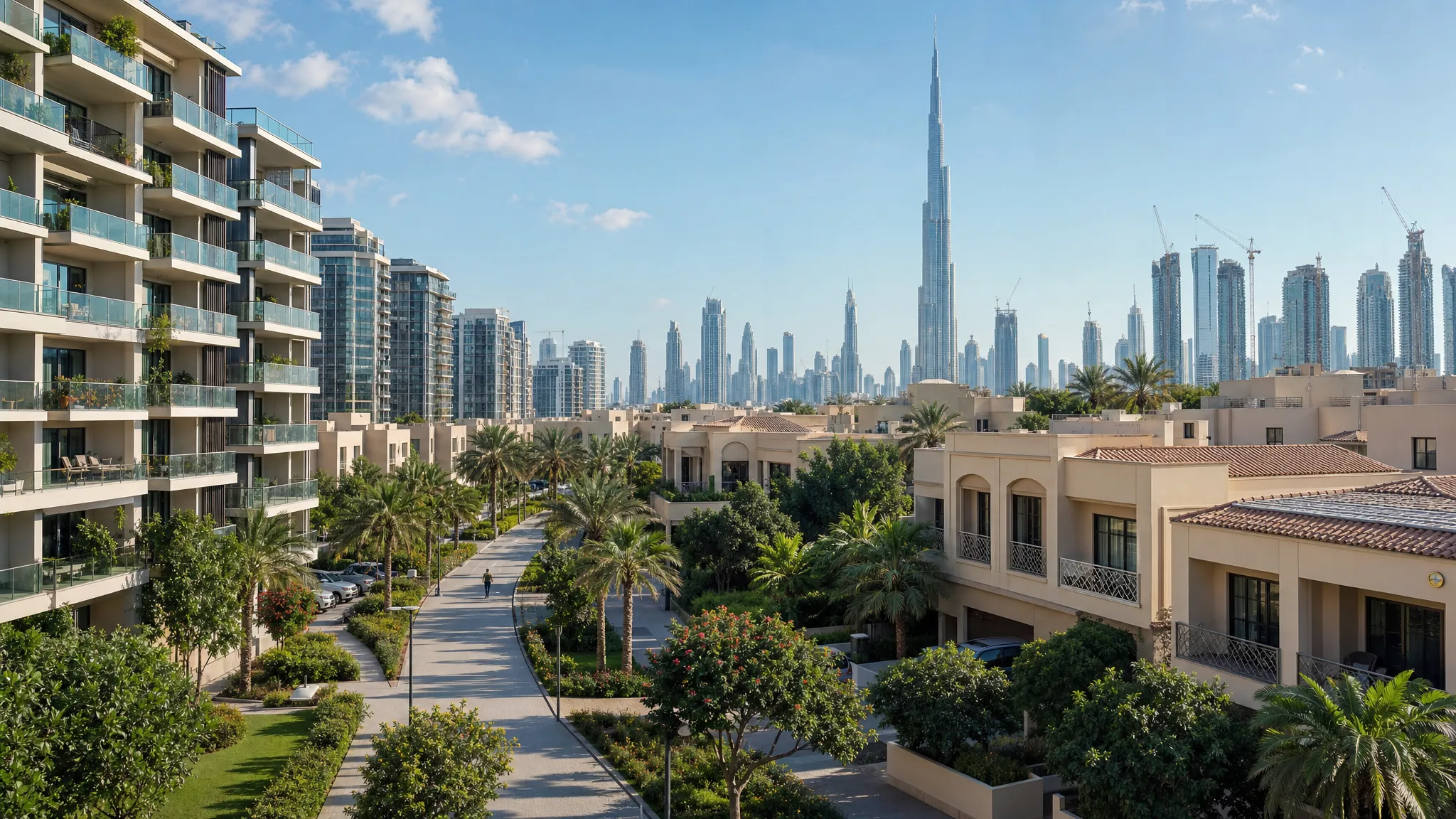
Ready vs off-plan: which is better for long-term value?
Ready homes and off-plan homes can both offer excellent long-term value, but they suit different buyer profiles.
Ready homes give you more certainty. You can inspect the property, review the actual building condition, assess the surrounding community, and estimate rent using current market evidence. For buyers who need immediate occupancy or predictable rental income, ready property often provides a clearer risk profile.
Off-plan homes may offer flexible payment plans, new construction, and exposure to future community growth. However, the final value depends on delivery quality, handover timing, future supply, service charges, and how the area matures. A strong off-plan purchase is usually backed by a credible developer, a sensible entry price, and a location where demand is likely to exist after completion, not only at launch.
For long-term value, compare ready and off-plan using the same questions. Would an end user want this home in five years? Will the community be easy to live in? Are there too many similar units coming? Is the price attractive after considering risk and time?
Due diligence before making an offer
Dubai’s real estate process is well structured, but buyers should still verify the essentials before committing. For freehold purchases, foreign buyers can generally buy in designated areas, but the exact ownership rights, registration process, and project status should be confirmed through official channels and professional advice where needed.
Before you make an offer, review:
- Recent comparable transactions, not only active listings.
- Title deed status, ownership details, and any mortgage or liability on the property.
- Service charges, maintenance history, and cooling arrangements.
- Tenancy status, notice periods, rent amount, and whether the tenant is paying market rent.
- Building condition, common areas, parking, elevators, amenities, and snagging issues.
- Developer reputation and project registration for off-plan purchases.
- Total buying costs, including transfer fees, agency fees, trustee fees, mortgage costs, and furnishing or renovation budget.
If you are new to the process, a step-by-step overview can help you understand the sequence of reservation, due diligence, sales agreement, transfer, and handover. This 2026 guide to buying property in Dubai explains the process in more detail.
A simple strategy for choosing the best long-term home
Start with your holding period. If you plan to hold for three to five years, liquidity and entry price matter heavily because your resale window is shorter. If you plan to hold for ten years or more, community quality, maintenance, infrastructure, and end-user appeal become even more important.
Next, define your primary exit strategy. Some buyers want to live in the home and later rent it out. Others want rental income from day one. Some want to renovate and resell. Each strategy points to a different type of property.
For example, an investor seeking steady rental demand might prioritize a practical one-bedroom apartment in a strong commuter location. A family buyer might accept a lower rental yield for a townhouse in a school-friendly community. A capital preservation buyer may prefer a prime waterfront or central address with limited comparable supply.
Finally, do not let one metric dominate the decision. High gross yield can be reduced by service charges, vacancy, maintenance, and weak resale demand. A beautiful villa can underperform if it needs major repairs or sits in a location with limited buyer depth. A luxury apartment can hold value well if it is scarce, but it may take longer to sell if the buyer pool is narrow.
Long-term value is usually the result of balance: a fair price, a desirable location, a practical home, manageable costs, and a clear reason future buyers or tenants will want it.
Frequently Asked Questions
What types of homes for sale in Dubai UAE usually offer the best long-term value? Apartments in established districts, family villas and townhouses in mature communities, and carefully selected off-plan homes in credible master developments can all offer long-term value. The best choice depends on budget, holding period, and whether you prioritize income, lifestyle, or resale strength.
Is it better to buy a villa or an apartment in Dubai for long-term value? Villas often appeal to families and may benefit from land scarcity, while apartments can provide stronger liquidity and easier entry in central locations. The better option depends on the specific community, purchase price, service charges, maintenance costs, and target buyer or tenant demand.
How can I tell if a Dubai property is overpriced? Compare the asking price with recent registered transactions for similar units in the same building or community. Also adjust for view, floor level, layout, upgrades, tenancy status, payment plan, and condition. A property can be cheaper than others and still be poor value if costs or resale demand are weak.
Are off-plan homes in Dubai good for long-term investment? Off-plan homes can be good long-term investments when the developer is reliable, the payment plan is sensible, the project is properly registered, and the location has real future demand. Buyers should avoid relying only on launch discounts or projected returns.
What is the biggest mistake buyers make when choosing a Dubai home? The biggest mistake is focusing only on the headline price or promised yield. Long-term value depends on the full ownership picture, including location, service charges, building quality, tenant demand, future supply, and resale liquidity.
Find Dubai homes with stronger long-term potential
The best home is not always the one with the biggest discount or the most dramatic view. It is the property that fits your strategy, attracts future demand, and remains practical through different market cycles.
Use Best Property to compare daily updated listings across Dubai and the wider UAE, filter by your priorities, review detailed property information, and connect directly with agents or owners when you find a serious match. The more disciplined your comparison process, the more likely you are to choose a home with value that lasts.


Join The Discussion